- All
- Product Name
- Product Keyword
- Product Model
- Product Summary
- Product Description
- Multi Field Search

 English
Views: 0 Author: Site Editor Publish Time: 2026-07-16 Origin: Site


The operational viability of any modern parking facility hinges on data accuracy. A 5% error rate in occupancy detection can lead to significant revenue leakage and user frustration. Facility managers and systems integrators face a fragmented hardware market. Selecting the wrong sensor stack leads to high false-positive rates, escalated maintenance costs, and integration bottlenecks with existing revenue control systems. Moving from legacy infrastructure to a fully Automated Parking System requires a rigorous evaluation of sensor types, connectivity protocols, and environmental constraints. This guide breaks down the technical realities of smart parking sensors to inform procurement and system architecture decisions.
Environment Dictates Hardware: No single sensor is universally optimal; indoor multi-level facilities require different detection mechanisms (e.g., ultrasonic, machine vision) than open-air surface lots (e.g., geomagnetic).
Sensor Fusion is the Standard: Relying on a single detection method introduces single points of failure. Enterprise-grade automated parking systems utilize sensor fusion (combining camera data with radar or magnetometers) to ensure 99%+ accuracy.
Edge Processing Reduces Latency: Shifting data processing from the cloud to the edge (directly on the sensor node) minimizes bandwidth costs and accelerates real-time parking control and monitoring.
Table of Contents
Establishing baseline performance metrics is critical before selecting hardware. You must define acceptable rates for false positives and false negatives under varying conditions. A false positive reports a space as occupied when empty. This frustrates drivers and reduces facility utilization. A false negative reports a space as empty when occupied. This causes traffic bottlenecks as vehicles circle looking for non-existent spots. Sensors must maintain accuracy during heavy rain, snow, and fluctuating lighting conditions. Field testing is mandatory to verify manufacturer claims.
You must distinguish between infrastructure-side sensors and onboard vehicle sensors. Infrastructure sensors integrate directly into the facility structure. These include static space-level nodes and structural cameras. They provide the foundational data for facility management. Onboard sensors include bumper-mounted ultrasonic devices and advanced driver-assistance systems. These assist the driver but do not reliably feed data back to the central facility management platform. A clear division of control ensures your infrastructure does not rely on unpredictable vehicle capabilities.
Latency directly impacts user experience. Evaluate the acceptable delay between a vehicle entering a space and the system updating digital signage. Cloud dashboards and driver-facing mobile applications must reflect real-time occupancy. High latency leads to multiple drivers competing for the same space. Your network architecture must support rapid data transmission from the sensor node to the central processing unit.
Integration readiness determines the long-term viability of your hardware stack. Sensors must communicate seamlessly via open APIs. Closed ecosystems limit your ability to scale. Your hardware must integrate with existing cloud platforms and dynamic guidance displays. Enforcement software relies on accurate, accessible data streams. Mandate standard communication protocols during the procurement phase to avoid vendor lock-in.
To ensure a robust deployment, consider the following field-tested criteria when evaluating your Automated Parking System:
Define exact latency requirements for digital signage updates (e.g., under 2 seconds).
Establish a maximum acceptable false-positive rate during peak hours.
Require documented API endpoints for all sensor hardware.
Conduct a 30-day field test in the most challenging environmental zone of your facility.
Verify compatibility with existing parking access and revenue control systems.

Intrusive sensors require physical integration into the pavement. These include cut-in loop detectors and flush-mount magnetometers. Installation involves core drilling or trenching into the asphalt or concrete. This process is highly disruptive to active facilities. Intrusive sensors offer excellent accuracy because they sit directly beneath the vehicle. However, they remain vulnerable to road surface degradation. Freeze-thaw cycles, heavy vehicle traffic, and repaving projects can damage or destroy embedded hardware.
Non-intrusive sensors mount above or adjacent to the parking bay. These include overhead ultrasonic detectors, ceiling-mounted cameras, and pole-mounted radar units. Installation is generally faster and less disruptive. Maintenance teams can replace faulty units without closing large sections of the facility. Non-intrusive systems require clear lines of sight. Structural supports, low ceilings, and hanging signage can obstruct sensor views. You must carefully map out camera angles and sensor placement to ensure complete coverage.
Architecture Type | Installation Method | Primary Advantage | Primary Vulnerability |
|---|---|---|---|
Intrusive (In-Ground) | Core drilling, trenching | High accuracy, hidden from vandalism | Road surface degradation, snowplows |
Non-Intrusive (Overhead) | Ceiling or pole mounting | Easy maintenance, non-disruptive install | Requires clear line of sight, structural blocks |
Ultrasonic sensors emit high-frequency sound waves to measure the distance to an object. The sensor calculates the time it takes for the echo to return. A shorter return time indicates a vehicle occupies the space. These units are highly effective in indoor, climate-controlled parking garages. They mount directly above the parking bays, providing a clear top-down view. Installation involves running conduit along the ceiling structure.
These sensors have distinct limitations. They are highly susceptible to temperature fluctuations. Sound travels at different speeds depending on air temperature, leading to calibration drift. Strong air currents from HVAC systems or open bay doors can scatter the acoustic waves. They are entirely unreliable for outdoor deployments. Rain, snow, and wind render them ineffective. Note that these infrastructure sensors are distinct from vehicle-mounted parking assistant sensors used for bumper-to-obstruction proximity.
Geomagnetic sensors detect disruptions in the Earth's magnetic field. Large metallic masses, such as vehicles, alter the local magnetic baseline. The sensor registers this change and flags the space as occupied. These are the standard choice for open-air surface lots and on-street parking. Installers typically embed them flush with the asphalt. This protects them from snowplows and street sweepers.
Magnetometers face challenges in complex environments. They are vulnerable to electromagnetic interference. Underground transit systems, high-voltage power lines, and reinforced concrete rebar can distort readings. They also struggle to differentiate between high-clearance vehicles and empty spaces. A lifted truck might not disrupt the magnetic field enough to trigger the sensor. Precise calibration is necessary to establish accurate baselines for each specific parking bay.
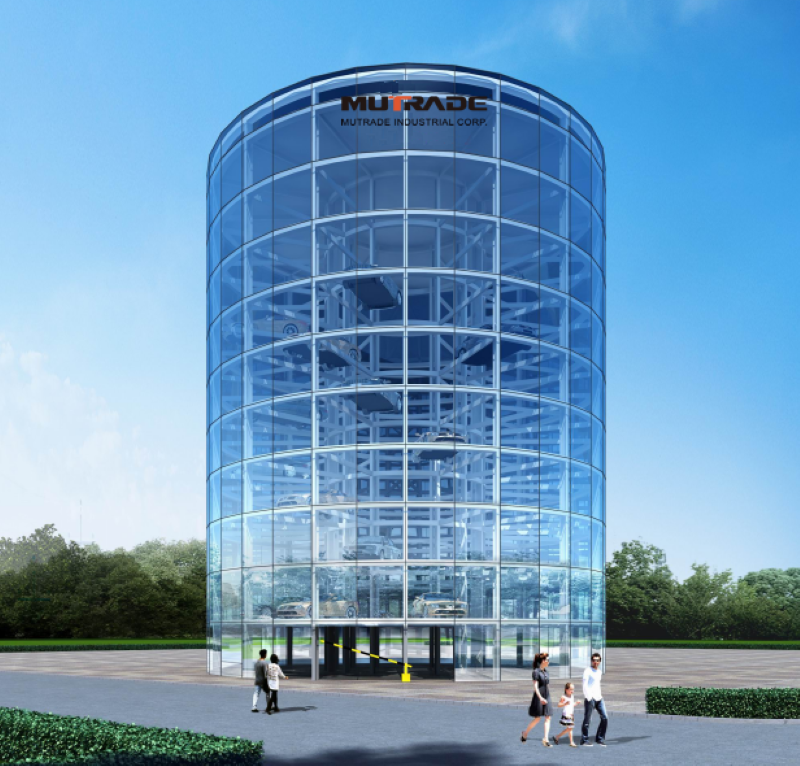
Machine vision utilizes optical lenses paired with edge AI or cloud processing. These systems visually confirm occupancy and can monitor multiple spaces simultaneously. They often incorporate automatic license plate recognition capabilities. This makes them ideal for high-security facilities and premium automated parking systems. They provide rich data, allowing facility managers to identify specific vehicles and track dwell times accurately.
Optical systems require clear lines of sight. Performance degrades significantly in low-light conditions. Heavy rain, snow, or fog obscures the camera lens. Dirt and debris accumulation necessitate regular cleaning schedules. Furthermore, capturing license plates and vehicle images introduces strict data privacy requirements. You must ensure compliance with local regulations regarding data storage and user privacy.
Radar uses radio waves to detect objects, while LiDAR uses light pulses. Both technologies create high-resolution, three-dimensional spatial maps of the parking environment. They offer millimeter-level precision. This accuracy is crucial for complex, high-density environments. Robotic vehicle handling systems and autonomous valet parking rely heavily on this precise spatial data to navigate safely.
The primary barrier to adoption is the high initial capital expenditure. These sensors are complex and require sophisticated data processing pipelines. Integrating LiDAR into a standard facility is often overkill. However, for a fully mechanized Automated Parking System, this level of precision is mandatory to prevent equipment collisions and vehicle damage.
Geofencing coordinates with global positioning system satellites and local cellular networks. It establishes virtual boundaries around parking facilities. When a vehicle enters the geofenced area, the system logs its presence. This is highly effective for fleet staging areas and outdoor holding zones. It manages the initial navigation transitions before a vehicle enters a structured parking environment.
GPS technology becomes completely ineffective in underground or multi-level concrete garages. Signal attenuation blocks the satellite connection. You cannot rely on geofencing for space-level occupancy detection within a concrete structure. It serves as a macro-level tracking tool rather than a micro-level sensor solution.
Sensor Technology | Primary Mechanism | Best Use Case | Key Limitations |
|---|---|---|---|
Ultrasonic | High-frequency sound waves | Indoor, climate-controlled garages | Vulnerable to temperature and wind |
Geomagnetic | Magnetic field disruption | Surface lots, on-street parking | Electromagnetic interference |
Machine Vision | Optical lenses with AI | High-security, license plate tracking | Requires clear sightlines, privacy concerns |
Radar/LiDAR | Radio waves / Light pulses | Robotic handling, autonomous valet | High complexity and processing demands |
GPS/Geofencing | Satellite positioning | Outdoor fleet staging areas | Signal loss in concrete structures |
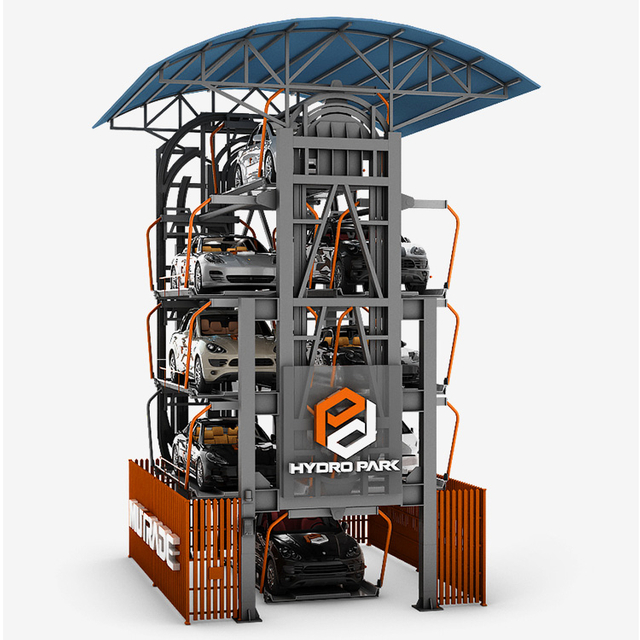
Choosing between wired and wireless networks dictates your installation timeline and maintenance schedule. Wired connections, such as Power over Ethernet, provide stable data transmission and continuous power. They are ideal for bandwidth-heavy devices like machine vision cameras. However, running conduit through existing concrete structures is labor-intensive. Wireless IoT nodes reduce installation friction. They rely on internal batteries, which introduces a recurring maintenance requirement to swap power cells across thousands of nodes.
Selecting the right IoT protocol is critical for wireless deployments. LoRaWAN offers excellent deep penetration through concrete. This makes it suitable for underground garages where cellular signals fail. ZigBee operates effectively for dense, short-range mesh networks. It allows sensors to relay data through neighboring nodes, building a resilient communication web. Match the protocol to the physical density and structural materials of your facility.
Data must flow seamlessly to mobile dashboards and app integrations. Standardize your API outputs early in the design phase. Utilizing JSON via REST or MQTT ensures sensor state changes instantly update consumer-facing apps. Custom dashboards and tenant reservation portals rely on this standardized data stream. Fragmented communication protocols will break your user interface and delay real-time updates.
Static thresholding relies on basic distance or magnetic strength cut-offs. If a sensor reads a value above a hardcoded limit, it flags the space as occupied. This approach leads to high false-positive rates during minor environmental shifts. A piece of debris or a slight temperature change can trigger a false reading. Static logic lacks the flexibility to adapt to real-world anomalies.
Predictive AI and neural networks offer a more resilient solution. Implementing Recurrent Neural Networks on aggregated sensor streams allows the system to recognize complex patterns. The AI learns the difference between a parked car and a temporary obstruction. It predicts real-time occupancy trends and analyzes dwell times. This intelligence optimizes space allocation and improves overall accuracy.
You must decide where this processing occurs. Sending raw video feeds to the cloud consumes massive bandwidth. It introduces latency and increases operational overhead. Edge computing processes occupancy states locally on the sensor node. The edge AI analyzes the image, determines occupancy, and transmits only lightweight telemetry data to the central server. This drastically reduces bandwidth requirements and accelerates system response times.
Environmental degradation poses a constant threat to sensor hardware. Snowplows frequently destroy surface-mounted sensors during winter clearing operations. Dirt, exhaust soot, and spider webs obscure camera lenses, blinding optical systems. Mitigation requires proactive facility design. Use flush-mount installations for magnetometers in areas subject to plowing. Implement automated cleaning mechanisms or strict predictive maintenance schedules for all optical sensors to ensure continuous visibility.
Data silos and vendor lock-in cripple long-term facility management. Proprietary sensor networks often fail to communicate with third-party analytics platforms. This forces you to use subpar software or undergo expensive custom integration work. Mitigation starts at the procurement stage. Mandate MQTT, RESTful APIs, and open-standard compliance in your initial requests for proposals. Ensure you own the raw data generated by your hardware.
Battery lifespan realities rarely match marketing brochures. Manufacturer claims of decade-long battery life often assume ideal laboratory conditions and extremely low transmission rates. In a high-turnover parking facility, sensors transmit data constantly, draining batteries rapidly. Extreme cold also degrades battery performance. Mitigation involves stress-testing battery drain under realistic, high-turnover scenarios. You must factor the labor required for facility-wide battery replacements into your operational planning.
To mitigate these risks effectively, implement the following strategies:
Require flush-mount installations for all surface-level sensors in snow-prone regions.
Establish a quarterly cleaning schedule for all optical lenses and camera housings.
Demand open-standard compliance (MQTT, RESTful APIs) in all vendor contracts.
Conduct a localized battery stress test in cold weather conditions before full deployment.
An effective system relies on a strategically layered architecture. You must match specific hardware to the unique environmental zones of your facility. Do not rely on a single detection method for complex environments. Prioritize vendors that offer hardware-agnostic software platforms. This allows you to mix magnetometers for the roof level and machine vision for covered levels without fracturing your data dashboard.
A reliable automated parking system depends on selecting the right combination of sensor technologies, communication networks, and intelligent data processing. By matching sensor types to specific operating environments, integrating open communication standards, and adopting AI-powered analytics, parking operators can improve occupancy accuracy, reduce maintenance costs, and deliver a more efficient parking experience.
Partnering with an experienced parking system manufacturer is equally important for ensuring long-term system performance and seamless integration. Mutrade Industrial Corp. specializes in advanced automated parking systems, intelligent parking technologies, and customized engineering solutions. With extensive industry experience, innovative product development, and comprehensive technical support, we help developers, contractors, and parking operators build reliable, scalable, and high-efficiency parking systems for projects around the world.
Audit your facility's physical constraints, including ceiling heights, concrete density, and exposure to weather.
Draft a strict requirement for open API standards before engaging with hardware vendors.
Initiate a limited-scope pilot program of 50 to 100 spaces to validate sensor accuracy against manual counts.
Test the chosen hardware during peak utilization hours and extreme weather events before facility-wide rollout.
A: Rarely. Multi-level garages usually require a mix of technologies. The rooftop needs weather-resistant sensors like magnetometers, while indoor levels benefit from overhead ultrasonic or camera systems. A hybrid approach ensures reliable data across different environmental exposures.
A: Ultrasonic sensors rely on sound waves. Strong winds, heavy HVAC airflow, and significant temperature changes alter the speed of sound. This causes calibration drift and false readings, making them unsuitable for outdoor or highly exposed environments.
A: Edge computing means the sensor processes data locally. Instead of sending heavy raw video or acoustic data to a cloud server, the sensor's internal processor determines if a space is occupied and only sends a lightweight status update. This reduces latency and bandwidth usage.
A: Magnetic sensors detect changes in the local magnetic field. Vehicles with very high ground clearance or those constructed with significant amounts of non-ferrous materials might not disrupt the field enough to trigger the sensor. Precise calibration is required.
A: It depends on the facility. Wireless sensors are faster and less disruptive to install, especially in existing concrete structures. However, wired sensors provide continuous power and stable data transmission without the need for ongoing battery replacements.