- All
- Product Name
- Product Keyword
- Product Model
- Product Summary
- Product Description
- Multi Field Search

 English
Views: 0 Author: Site Editor Publish Time: 2026-03-23 Origin: Site


An Automated Parking System (APS) is revolutionizing how we park in crowded urban areas. It replaces traditional garages, allowing vehicles to be stored and retrieved automatically with minimal effort. Drivers leave their car at a designated bay, while smart sensors, lifts, and robotic platforms handle the rest. APS saves space, reduces congestion, and improves safety, making parking stress-free. From residential complexes to airports, these systems are transforming city life. Curious how this technology could enhance your facility? Qingdao Mutrade Co., Ltd. specializes in advanced APS solutions for every parking need.
| Feature | Traditional Parking | Automated Parking System (APS) |
|---|---|---|
| Land Use | Large footprint required | Up to 1/3 of space needed |
| Driver Effort | Manual parking | Fully automated, minimal effort |
| Vehicle Safety | High risk of scratches or dents | Stored in secure bays |
| Congestion | Common during peak hours | Reduced with guided automation |
| Operational Cost | Staffing required | Fewer attendants, lower long-term costs |
They also improve user experience. Drivers simply leave their car at the entry point. The system handles the rest.
The idea of APS is over a century old. The first known use appeared in Paris, 1905, at the Garage Rue de Ponthieu. A concrete multi-story structure lifted cars to upper levels for attendants to park them. In the 1920s and 1930s, the paternoster system became popular. It worked like a Ferris wheel, rotating vehicles vertically in a compact footprint. Chicago saw some of the first glass-enclosed APS in the early 1930s, showcasing advanced engineering.
Throughout the mid-20th century, semi-automated and fully automated garages appeared in the U.S., Europe, and Japan. Systems like Bowser and Roto Park provided mechanized parking for hundreds of cars. Some remained operational for decades. Modern APS boomed in Japan and Europe starting in the 1970s. Japan, for example, built tens of thousands of spaces annually using paternoster systems. In recent years, the U.S. has also embraced robotic parking, starting with the Hoboken garage in 2002.
Timeline of APS milestones:
1905, Paris – First multi-story lift-assisted parking
1923–1933, Chicago – Ferris-wheel style and glass-enclosed systems
1940s–50s, U.S. – Semi-automated Bowser and Roto Park systems
1970s, Japan & Europe – Rapid adoption of vertical and paternoster systems
2002, U.S. – First modern robotic parking garage opens in Hoboken
They’ve evolved from simple mechanical lifts to fully automated, sensor-driven systems today. Efficiency, space-saving, and convenience remain the key drivers behind their growth.
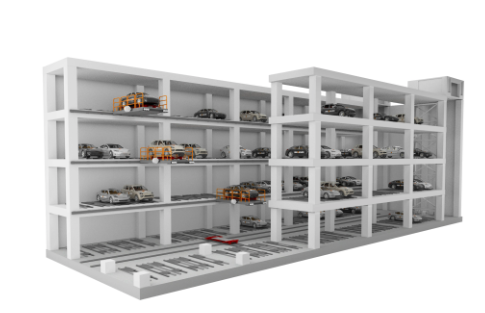
Parking has never been easier. Drivers simply pull into a designated entry bay and exit their vehicle. The system takes over completely, no need to navigate tight spaces.
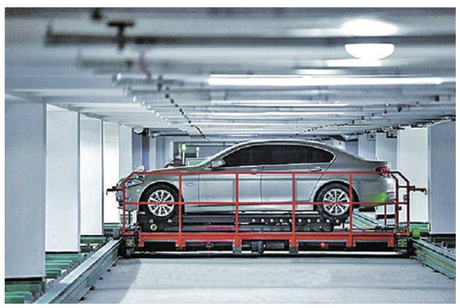
Once the car is in the bay, APS moves it using a combination of mechanical platforms:
Lifts – carry the vehicle vertically to an available slot
Conveyors and shuttles – transport the car horizontally or between levels
Puzzle platforms – slide vehicles around to maximize space usage
When the driver returns, retrieval is just as simple. They can use a mobile app, physical ticket, or digital code. The system locates the car, moves it back to the entry bay, and the driver can drive away.
Quick Overview: Parking Steps
Drive into entry bay
Exit vehicle
APS lifts or shuttles car to storage
Real-time tracking ensures precise location
Retrieve via app, ticket, or code
This seamless process reduces waiting time and eliminates human error.
An automated parking system relies on a combination of mechanical, digital, and smart technologies to operate seamlessly.
1. Sensors and IoT Integration
Smart sensors are the foundation of the system. They detect vehicles at entry bays or in parking spaces and continuously communicate this information to the control software. Internet of Things connectivity enables real-time updates to mobile apps, so drivers can track their vehicle or see available spots even before arriving.
2. Mechanical Systems
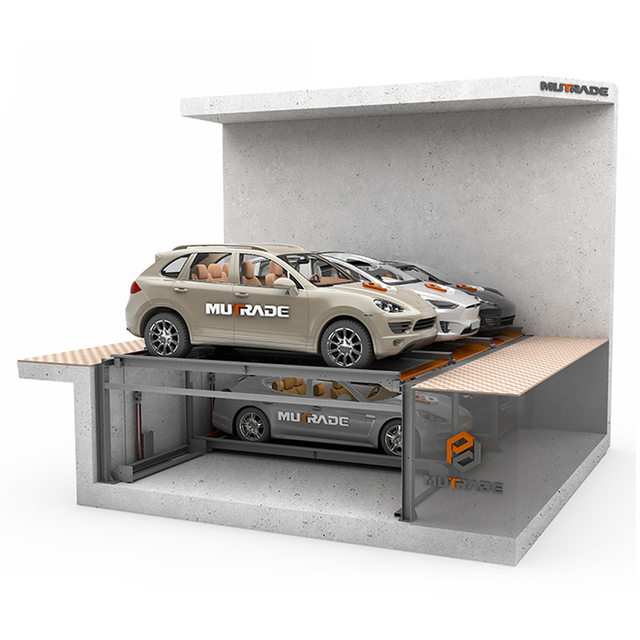
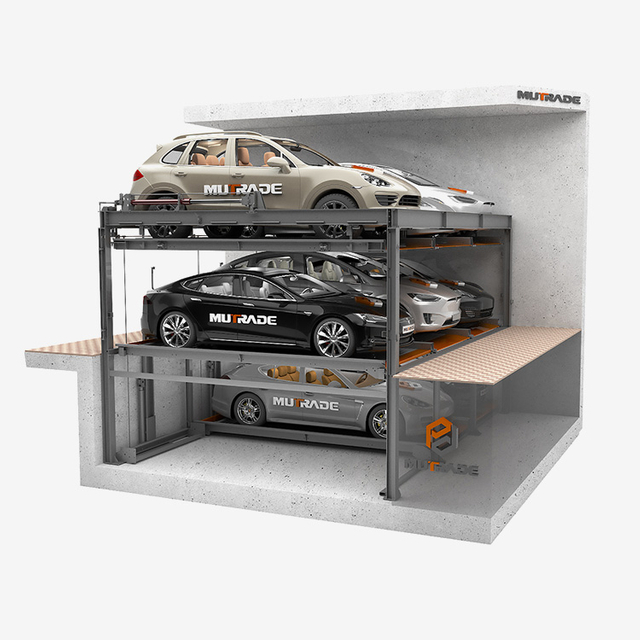
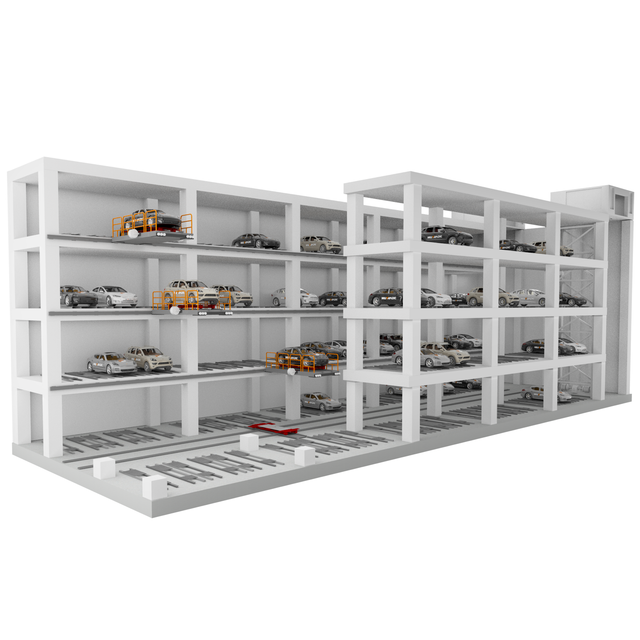
Vehicle movement is handled by mechanical solutions. Lifts transport cars vertically between levels. Robotic arms ensure precise handling, preventing scratches or dents. Conveyors and shuttle platforms move cars horizontally, maintaining smooth traffic flow inside the facility. These systems operate quietly and efficiently.
3. Software and Control Systems
The brain of the automated parking system is its software. Advanced control systems use artificial intelligence and automation logic to determine the best spot for each vehicle, maximizing space. Real-time tracking allows any car to be located instantly, while scheduling algorithms prevent bottlenecks during peak hours. This ensures a seamless, stress-free parking experience.
4. Security and Monitoring
Safety is a core benefit. License plate recognition tracks cars entering and leaving, reducing unauthorized access. High-resolution cameras monitor every parking bay, giving operators a complete view of activity. Restricted access zones add another layer of protection, keeping both vehicles and users secure.
Key Technology Stack in an Automated Parking System:
| Component | Function |
|---|---|
| Sensors | Detect vehicle presence and occupancy |
| Lifts & Shuttles | Move vehicles vertically and horizontally |
| AI Software | Optimize storage, track cars in real-time |
| License Plate Recognition & Cameras | Ensure security, monitor the facility |
Together, these technologies make an automated parking system efficient, safe, and reliable, so drivers never worry about tight spaces or missed spots.
Automated parking systems save a remarkable amount of space. They often require only one-third of the land compared to traditional garages. By stacking vehicles more tightly and eliminating ramps, wide driveways, and pedestrian zones, these systems maximize urban land use efficiently.
Key Space Advantages:
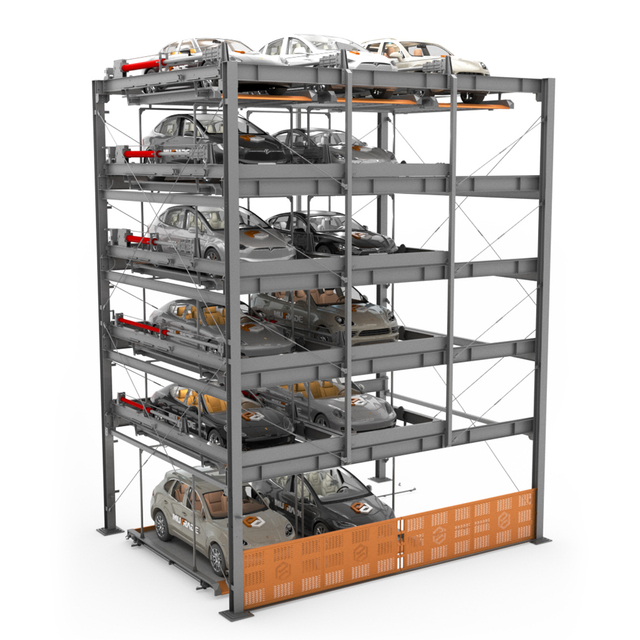
Multi-level storage allows more cars per footprint
Lower ceiling heights because walkways aren’t needed
Flexible layouts for irregular plots or tight city spaces
These systems make parking stress-free. Drivers simply leave their car at the entry bay, and the automated system takes over. There’s no need to circle or back into tight spots.
Time-Saving Benefits:
Fast parking and retrieval, often within minutes
Eliminates wasted time hunting for available spaces
Mobile apps and digital codes make retrieval easy
Tip: In busy city areas, these systems can cut parking search time by 50–70%.
Although installation costs can be higher than traditional lots, automated parking systems often save money over time. Less staff is required, and energy consumption drops due to minimal lighting and ventilation needs.
Key Operational Benefits:
Reduced labor requirements
Lower energy and maintenance costs
Optimized land use reduces property expenses
| Factor | APS Advantage |
|---|---|
| Labor | Reduced personnel needed |
| Energy | Lower lighting & ventilation requirements |
| Maintenance | Fewer moving cars → less wear & tear |
| Land Costs | Smaller footprint → lower land expense |
These factors make APS a smart investment for developers and facility operators.
Automated parking systems offer convenience and efficiency, but they come with challenges that operators and developers need to consider. Understanding these hurdles ensures better planning and smoother operation.
Installing an automated parking system requires a higher upfront cost compared to conventional garages. Prices vary depending on system type, storage capacity, and location. While long-term savings often offset this, initial financing can be a barrier for smaller projects or budget-conscious developers.
Factors Affecting Cost:
Type: tower, puzzle, or stacker systems
Capacity: number of vehicles accommodated
Location: urban land cost and site complexity
Even the most advanced systems rely on mechanical components like lifts, conveyors, and shuttles. Occasional malfunctions or maintenance needs can cause delays. Regular inspections, preventive maintenance, and skilled technicians are essential to minimize downtime and keep operations smooth.
Key Considerations:
Routine mechanical and software checks
Quick response to system alerts
Staff training for emergency interventions
Automated parking systems handle traffic efficiently but may face limitations during high-demand periods. Planning throughput and optimizing retrieval algorithms are crucial to avoid congestion, especially in commercial hubs or airports.
Strategies to Manage Peak Traffic:
Pre-booking and mobile app reservations
Intelligent scheduling of vehicle storage and retrieval
System design considering maximum peak capacity
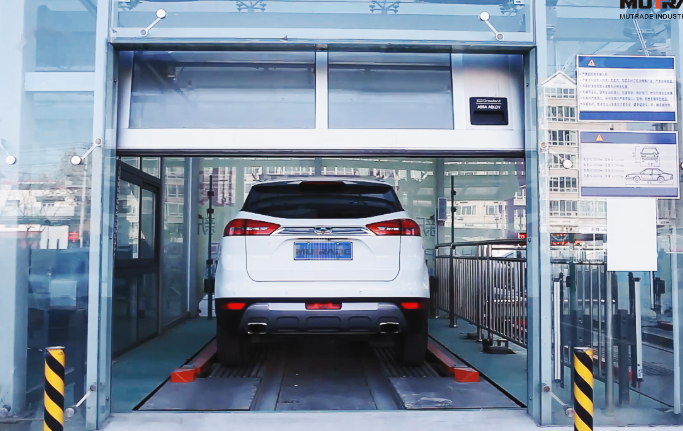
Automated parking systems (APS) are no longer a futuristic concept. They are being implemented across cities, transforming how parking fits into urban life. Here’s how APS is applied in different real-world scenarios:
In densely populated areas, every square foot matters. APS helps maximize land use for apartments and condos by stacking cars vertically rather than spreading them across large surface lots. Residents enjoy guaranteed parking, and developers can allocate more space for green areas, amenities, or walkways instead of traditional parking lots.
Airports, train stations, and bus terminals handle high-volume traffic every day. APS can significantly reduce congestion by quickly parking and retrieving vehicles. Travelers no longer spend time searching for a spot, which smooths traffic flow and improves overall efficiency. Many facilities also use mobile apps and real-time tracking to direct drivers to available spaces faster.
In commercial zones, employees and visitors need fast, reliable parking. APS provides space-saving solutions and faster turnover, ensuring more people can park in less space. By automating the parking process, facilities reduce labor needs, minimize wait times, and prevent accidents or vehicle damage.
APS plays a crucial role in smart city planning. Systems integrate with autonomous vehicles and connected infrastructure to manage parking dynamically. Imagine cars dropping themselves off at APS facilities while the system optimizes space usage and traffic flow. These smart solutions support sustainable urban development, reduce emissions, and prepare cities for future mobility challenges.
Automated Parking Systems are no longer futuristic—they’re practical, efficient, and designed for real-world challenges. By cutting land use, speeding up parking, and boosting security, APS changes the way we think about parking. Whether for apartments, offices, or transit hubs, it makes life simpler and smoother for drivers. Interested in upgrading your parking facility? Qingdao Mutrade Co., Ltd. offers tailored APS solutions that maximize space, improve convenience, and integrate seamlessly into modern urban environments.
A: Stacker and tower systems suit residential complexes, while puzzle and multi-lift systems handle high-volume commercial or airport parking.
A: Yes, APS designs have maximum height, length, and weight restrictions, usually listed by the manufacturer.
A: Very secure. APS eliminates public access, integrates cameras, license plate recognition, and controlled entry zones.
A: Modern APS are highly reliable with proper maintenance, including routine mechanical checks, software updates, and sensor calibration.