- All
- Product Name
- Product Keyword
- Product Model
- Product Summary
- Product Description
- Multi Field Search

 English
Views: 0 Author: Site Editor Publish Time: 2026-03-23 Origin: Site


Automated Parking Systems are revolutionizing how we think about parking, offering smarter, faster, and more space-efficient solutions compared to traditional garages. If you’ve ever wasted time circling for a spot or struggled with manual ticketing, this guide will show why automated systems are becoming the cost-effective choice for urban projects, residential complexes, and commercial hubs. We’ll explore construction costs, operational efficiency, land usage, and long-term ROI, helping you understand whether a traditional parking structure or a fully automated system makes the most financial and practical sense.
A traditional parking system is the type you see in most homes, offices, and shopping centers. They include surface lots, multi-level ramps, and parking garages. Drivers find a space, park manually, and usually pay at a booth or meter.
Key operational points:
Manual entry and exit – a guard or ticket system manages the flow.
Staffing – attendants, cashiers, and security personnel are needed.
Payment processes – often cash-based, sometimes card-enabled.
Advantages of traditional parking:
Works without advanced technology.
Reliable during power outages or equipment failures.
Simple to operate, anyone can understand it.
| Feature | Traditional Parking |
|---|---|
| Entry/Exit | Manual, ticket-based |
| Staffing | Multiple attendants required |
| Technology Requirement | Low |
| Reliability | High during power failure |
| Payment Options | Cash, some cards |
An automated parking system moves cars automatically into parking spots. Drivers only leave the car at the entry bay. Types include:
Fully automated systems – complete machine operation.
Semi-automated systems – minor human assistance may be needed.
Stacker, puzzle, and tower systems – different layouts maximize space.
How it works:
Driver arrives and leaves the car at the entry point.
Mechanical lifts or conveyors move the vehicle.
The system parks it in the assigned spot.
Core technologies behind APS:
Mechanical lifts and shuttles for vertical and horizontal movement.
Software control systems to track vehicles and manage space.
ANPR (Automatic Number Plate Recognition) for identification.
RFID tags to allow authorized, fast access.
| Feature | Automated Parking System (APS) |
|---|---|
| Entry/Exit | Fully automatic, no human intervention |
| Staffing | Minimal, mainly monitoring |
| Technology Requirement | High (software + mechanical systems) |
| Reliability | Depends on power and maintenance |
| Payment Options | Contactless, digital |
| Aspect | Traditional Parking | Automated Parking System (APS) |
|---|---|---|
| Operations | Manual, human-managed | Fully or semi-automated |
| Land Usage | Requires ramps, aisles, wider spaces | Compact design, higher density |
| User Experience | Longer search times, queues | Faster entry/exit, contactless |
| Maintenance & Costs | Frequent manual checks, higher staff | Predictable servicing, lower staff |
| Security & Safety | Guard-dependent, theft risk | Monitored, automated access control |
Automated Parking System saves space, sometimes reducing required area by up to 70% compared to traditional garages.
It minimizes operational errors caused by manual ticketing and entry processes.
Drivers spend less time searching for a parking spot, enhancing overall user satisfaction.
Automated Parking System requires planned and predictable maintenance, which lowers costs over the long term.
In short, they function very differently. Traditional systems rely on people, while APS relies on machines and software. Both have their use cases, but APS shines in urban, space-constrained environments.
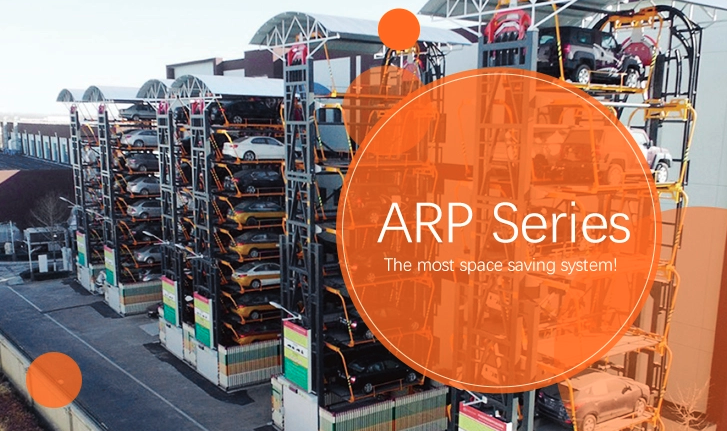
When it comes to building parking, material choice and design drive expenses. Traditional garages rely on reinforced concrete, while most automated parking systems use steel frameworks or modular structures that are lighter and quicker to assemble.
Concrete garages need thick slabs, ramps, and heavy support beams.
Steel or modular automated systems reduce material usage and shorten construction timelines.
Space requirements also affect budgets. Traditional garages demand wide ramps, drive aisles, and turning areas, increasing the overall building footprint. Automated parking systems stack vehicles efficiently, eliminating ramps and reducing floor area, which can significantly lower initial investment.
Traditional garages often carry extra costs that developers overlook:
Ramps, drive aisles, and turning radii consume additional materials and space.
Fire safety, ventilation, and compliance systems are mandatory for multi-level structures.
Excavation and structural reinforcement add to underground parking budgets.
Even if the base cost appears low, these hidden expenses can raise total spending by 20–30%.
Extra space means more concrete, steel, and labor.
Ventilation fans, sprinklers, and fireproofing increase long-term operating costs.
Complex ramp systems extend construction timelines and require additional engineering.
Upfront construction costs tell only part of the story. Looking at the full lifecycle highlights the financial benefits of automated parking systems.
Renovations and structural upgrades for traditional garages every 15–20 years can be costly.
Automated parking systems need mechanical servicing and software updates, but these are predictable and scheduled.
Efficient space usage frees land for additional revenue-generating areas, such as retail, residential units, or green spaces, improving overall return on investment.
| Factor | Traditional Parking | APS Parking |
|---|---|---|
| Upfront Cost per Space | Medium | High |
| Footprint Efficiency | Low | High |
| Maintenance Predictability | Medium-High | Medium-Low |
| Land Value Utilization | Low | High |
| Long-Term ROI Potential | Moderate | Strong |
By stacking cars tightly, APS offsets higher initial costs through reduced land requirements, faster project timelines, and higher future revenue potential.
Traditional parking relies heavily on human oversight. Attendants handle entry, exit, and payments, while security staff monitor unauthorized access. Lighting and ventilation consume significant energy, especially in multi-level garages.
Automated Parking Systems (APS) change this completely:
Minimal staff needed—mostly for monitoring or exceptions.
Vehicles move automatically; no drivers in aisles.
Energy-efficient operations: lighting activates only where vehicles or personnel are present, ventilation demand is reduced, and idle energy use drops sharply.
This combination reduces operating expenses and frees staff for higher-value tasks.
APS offers a revenue edge over traditional parking:
Premium pricing is possible due to convenience, security, and tech-driven service.
Faster turnover: automated retrieval shortens wait times, allowing more cars per hour.
Higher utilization rates: smart allocation ensures spaces aren’t wasted.
Dynamic pricing and software dashboards can adjust fees based on demand, peak hours, or special events.
| Metric | Traditional Parking | APS (Automated) |
|---|---|---|
| Cars/hour handled | 10–15 | 25–30 |
| Utilization rate | 60–70% | 85–95% |
| Revenue potential per space | Baseline | +20–40% |
Traditional parking systems demand ongoing attention to structural integrity. Regular maintenance includes repairing cracks, addressing water seepage, and preventing corrosion. Facilities also require routine cleaning and surface upkeep to keep the parking areas safe and functional. On top of that, manual inspections are necessary to ensure fire safety compliance and smooth daily operations.
In contrast, an Automated Parking System focuses on both mechanical and digital components. Maintenance involves servicing lifts, conveyors, and shuttle mechanisms that move vehicles efficiently. The system also needs software updates to maintain accurate control and monitoring. Many providers use predictive servicing with remote diagnostics, which helps catch potential issues early and significantly reduces unexpected downtime.
Lifecycle cost comparison (20–30 years):
| Maintenance Aspect | Traditional Parking | APS (Automated) |
|---|---|---|
| Staff requirements | High | Low |
| Routine repair costs | Medium–High | Medium |
| Unexpected downtime | High | Low |
| Energy/utility usage | Medium | Lower |
Over decades, Automated parking system can offset higher initial costs through predictable servicing and lower energy and staffing expenses.
Total Cost of Ownership (TCO) includes capital, operations, and maintenance. Automated parking system often breaks even faster despite higher upfront investment.
Sample scenarios:
| Project Type | Traditional Parking TCO | APS TCO | Payback Period |
|---|---|---|---|
| 100-space urban lot | $1,200,000 | $1,400,000 | 8–10 years |
| Mid-rise residential building | $2,500,000 | $2,900,000 | 7–9 years |
| Commercial complex (500 spaces) | $8,000,000 | $9,200,000 | 6–8 years |
Automated parking system improves cash flow via higher revenue per space, reduced staffing, and energy savings. Over time, it can deliver stronger ROI, especially in high-demand, space-constrained projects.
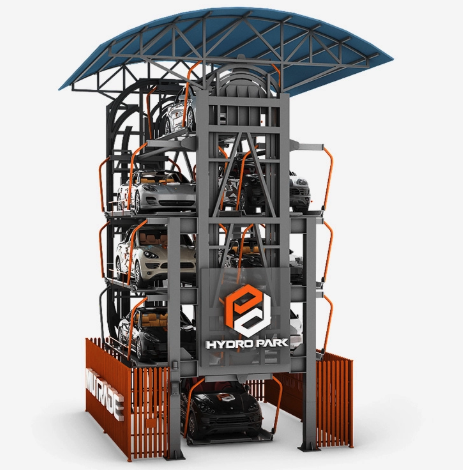
Switching to an automated parking system can transform both user experience and your bottom line. By reducing space needs, lowering staffing costs, and enabling predictable maintenance, it offers long-term savings and higher revenue potential. For developers, property managers, and facility owners, the choice is clear: efficiency meets profitability.
Companies like Qingdao Mutrade Co., Ltd. provide turnkey solutions that make the transition seamless, ensuring you maximize land usage, enhance security, and deliver a modern, stress-free parking experience for every driver.
A: Automated parking systems can reduce the required footprint by up to 70%, eliminating ramps, drive aisles, and pedestrian areas.
A: Most systems include backup power options; while mechanical operations pause, vehicles remain safe and accessible once power restores.
A: Yes, they can integrate EV charging stations and adapt to autonomous or shared mobility vehicles.
A: Automated systems excel in high-density, urban projects; traditional garages may suit small, low-traffic sites.
A: Automated systems typically deliver higher ROI over 20–30 years due to land optimization, lower operational costs, and enhanced revenue potential.