- All
- Product Name
- Product Keyword
- Product Model
- Product Summary
- Product Description
- Multi Field Search

 English
Views: 0 Author: Site Editor Publish Time: 2026-10-15 Origin: Site


High-density mechanical parking systems solve severe space constraints in urban developments. They introduce complex mechanical and electrical dependencies into daily building operations. Unplanned downtime does not just cause inconvenience. It leads to trapped vehicles, severe tenant disputes, loss of revenue, and elevated liability risks. Reactive repairs consistently cost more than proactive management. Catching small issues early through regular inspections prevents catastrophic breakdowns. Transitioning from a break-fix approach to a structured, evidence-based preventive maintenance protocol is necessary. Facility managers must shift their focus toward predictable upkeep. This guide breaks down how to evaluate maintenance requirements, structure inspection schedules, and choose the right service contracts. You will learn how to implement daily checks, manage vendor agreements, and ensure maximum uptime and asset longevity for your property.
Cost Savings: Implementing a strict preventive maintenance schedule significantly reduces long-term expenses by mitigating failures in expensive components like lift motors and hydraulic cylinders, extending the overall lifecycle of the asset.
Cycle-Count Tracking: Just as mileage dictates vehicle care, tracking a parking system's cycle counts and reviewing historical repair logs are critical for timing component replacements before they fail.
Regulatory Compliance: Documented, routine inspections of structural integrity, safety sensors, and warning lights are mandatory to meet local safety codes and protect property owners from liability.
Vendor Evaluation: Selecting a maintenance provider requires scrutinizing their Service Level Agreements (SLAs), emergency response times, and specific technical expertise with your exact parking system architecture (e.g., stackers, puzzle systems, fully automated AGVs).
Risk Mitigation: Proper maintenance planning must account for operational realities, including managing tenant disruption during servicing and ensuring reliable access to OEM replacement parts.
Table of Contents
Facility managers must define clear baseline metrics to measure parking system success. Uptime percentage stands as the most prominent indicator of operational health. A well-maintained system should consistently achieve high availability during peak usage hours. Incident rates track the frequency of user-facing errors, such as stuck platforms or sensor faults. Maintenance cost predictability allows property owners to budget accurately for annual operations. Establishing these metrics transforms maintenance from a reactive expense into a measurable operational strategy. You cannot improve what you do not measure. Tracking these data points provides the foundation for a reliable facility.
Emergency repairs carry severe financial penalties. When a mechanical failure traps vehicles, facility managers face immediate crisis management. Expedited shipping for replacement parts incurs massive premiums. Technicians charge emergency overtime rates for after-hours or weekend service calls. Property owners often face demands for tenant compensation or alternative parking reimbursements. These unplanned expenses quickly eclipse the predictable operational expenditure of scheduled preventive care.
Early detection identifies worn cables or degrading hydraulic seals before they fail under load. Replacing a basic proximity sensor during a scheduled visit prevents a system-wide shutdown that could result in emergency labor and collateral damage. Field experience shows that running equipment to failure guarantees maximum disruption. A scheduled shutdown for a fluid change takes two hours. An unscheduled shutdown due to a seized hydraulic pump takes days.
Deferred maintenance creates unacceptable legal and insurance risks. Mechanical parking systems lift vehicles weighing thousands of pounds directly over other vehicles or pedestrian walkways. A structural failure or dropped platform results in catastrophic property damage and potential loss of life. Local municipalities enforce strict safety codes governing automated machinery. Property owners must maintain a comprehensive audit trail of all inspections, repairs, and load tests.
This documentation proves your duty of care in the event of an incident. Failing to produce certified maintenance logs can void insurance policies and expose ownership to gross negligence claims. Consistent, documented mechanical parking system maintenance acts as your primary legal shield. Inspectors look for signed off checklists, verified cycle counts, and proof that safety mechanisms like anti-fall locks have been physically tested.
A comprehensive maintenance plan divides the machinery into distinct operational categories. Each category requires specific inspection techniques, specialized tools, and unique replacement intervals. Understanding these core components ensures no system goes unchecked during routine service visits.
The structural framework bears the constant dynamic loads of moving vehicles. Technicians must inspect steel platforms for signs of metal fatigue, stress fractures, and deflection. Lifting chains require precise tension measurements and visual checks for stretched or binding links. Chain elongation beyond 3% typically mandates immediate replacement. Wire ropes demand rigorous scrutiny. Inspectors look for broken outer strands, core protrusion, and internal corrosion often indicated by red dust.
Pulleys and sheaves must maintain proper groove profiles to prevent premature cable wear. Structural welds at high-stress junction points require regular visual checks and occasional non-destructive testing. External physical barriers, safety gates, and anti-fall locks must engage flawlessly to prevent unauthorized access or accidental vehicle displacement. The anti-fall mechanism, often a mechanical safety dog, must be manually tripped to ensure it bites into the guide rail securely.
Mechanical power delivery dictates the speed and reliability of the entire system. Motor health requires monitoring for abnormal vibration, excess heat, and unusual acoustic signatures. Motor braking mechanisms are primary safety components. Technicians must measure brake pad wear and verify the air gap settings to ensure immediate stopping power when power is cut. Gearboxes require regular lubrication analysis to detect metal shavings that indicate internal gear wear.
Hydraulic systems demand strict fluid management. Technicians must monitor hydraulic pump pressure to ensure consistent lifting capacity. Fluid degradation occurs due to thermal breakdown and moisture ingress. Degraded fluid damages internal pump components and causes sluggish operation. Cylinder seal integrity is a major inspection point. Even minor weeping indicates an impending seal failure that could lead to a sudden loss of pressure.
Follow these steps when inspecting a hydraulic cylinder:
Wipe down the cylinder rod completely with a clean, lint-free cloth.
Run the platform through one complete up-and-down cycle.
Inspect the rod for a fresh film of oil, which indicates a failing wiper seal.
Check the mounting clevis pins for excessive play or lack of grease.
Inspect the hydraulic hoses connected to the cylinder for chafing or dry rot.
The electrical architecture acts as the brain of the automated machinery. Programmable Logic Controllers (PLCs) direct all sequential movements. Technicians must verify PLC logic, check for firmware updates, and inspect terminal connections for corrosion or thermal damage. Limit switches physically tell the system when a platform has reached its destination. These switches require physical actuation tests and alignment verification.
Photoelectric safety sensors detect vehicle overhangs, open doors, or human presence within the machinery envelope. Lenses must be cleaned, and alignment calibrated to prevent false faults. Human-Machine Interface (HMI) panels must remain responsive and legible. Mandatory testing extends to all user-facing indicators. External indicator lights, warning beacons, and turn/stop signals guide drivers safely into the loading bays. A burnt-out stop light can cause a driver to overshoot the platform. Technicians must physically trigger every emergency stop button to verify immediate system-wide power termination.
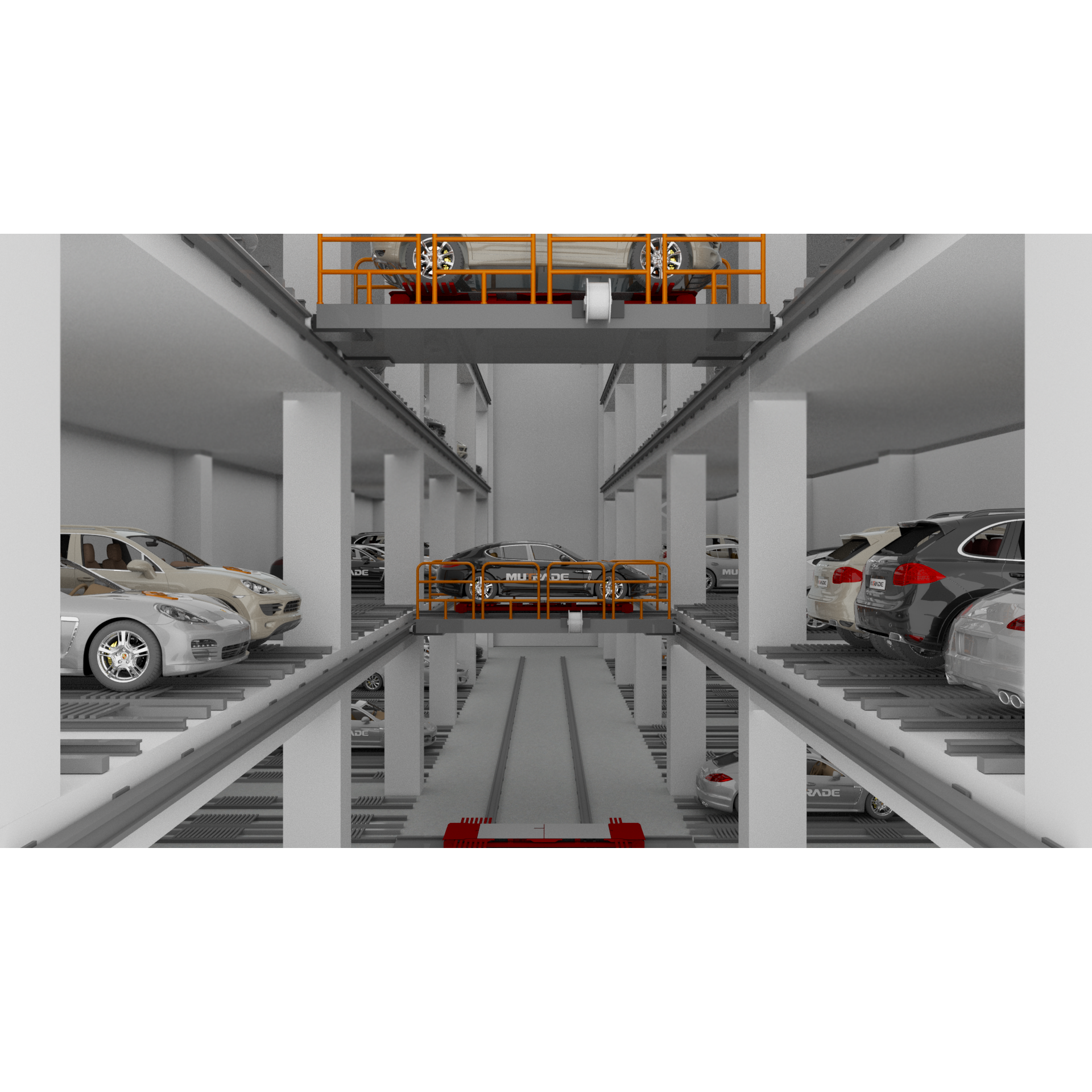
Maintenance requires a tiered approach, ranging from daily visual checks by on-site staff to annual teardowns by specialized engineers. Structuring this schedule correctly prevents over-maintaining simple components while ensuring wear items receive timely attention.

Effective service begins before the technician touches a wrench. The protocol must mandate a thorough review of the system's maintenance history and repair logs. Technicians must check the current cycle counts. Cycle counts act as the system's mileage. They dictate exactly which components have reached their engineered lifespan. Reviewing previous technician notes highlights recurring faults or components that showed early signs of wear during the last visit. This data-driven preparation allows the technician to tailor the inspection scope and bring the correct replacement parts to the site.
In-house facility managers handle the first line of defense. These daily and weekly operational checks do not require specialized mechanical training. Staff must walk the perimeter and clear all debris from tracks, floor pits, and sensor paths. Trash or leaves blocking a photoelectric sensor will shut down an entire grid. Facility teams must test user-facing signage, verify that all indicator lights illuminate, and ensure safety gates open and close smoothly. Listening for abnormal noises, such as grinding, squealing, or heavy clanking, provides the earliest warning of mechanical distress. Any anomalies discovered during these visual checks must trigger a service call.
Specialized technicians execute monthly and quarterly service intervals. These visits focus on lubrication, adjustment, and calibration. Technicians apply specific industrial lubricants to chains, guide rails, and pivot points to reduce friction. They measure and adjust chain or cable tension to ensure platforms lift evenly without binding. Degraded hydraulic filters and air breathers are replaced according to the cycle-count schedule. Technicians calibrate alignment sensors and clean electrical contactors. This mid-level servicing prevents the accelerated wear that leads to premature component failure.
Annual inspections serve as a deep-dive health check for the entire installation. These comprehensive audits often involve third-party certifications to satisfy municipal safety codes. The process includes full-capacity load testing. Technicians place certified weights on the platforms to verify that the motors, brakes, and structural locks can handle the maximum rated capacity without slipping or deflecting. Annual service also includes partial system teardowns. Technicians remove covers and access panels to inspect hidden wear items, such as internal gearbox components and enclosed wire rope terminations.
Frequency | Responsible Party | Key Inspection Tasks | Primary Objective |
|---|---|---|---|
Daily / Weekly | Facility Managers | Clear debris, check lights, test gates, listen for noises. | Ensure basic user safety and clear sensor paths. |
Monthly | Specialized Technicians | Lubricate chains, check fluid levels, clean sensor lenses. | Reduce friction and prevent false sensor faults. |
Quarterly | Specialized Technicians | Adjust cable tension, replace filters, inspect brake pads. | Maintain mechanical alignment and fluid health. |
Annually | Certified Engineers | Full load testing, structural weld checks, PLC diagnostics. | Verify maximum capacity and regulatory compliance. |
Choosing who performs the maintenance is just as important as the maintenance itself. Property owners must evaluate their internal capabilities against the technical demands of the machinery. Most facilities ultimately rely on outsourced service contracts, but structuring those contracts correctly requires careful negotiation.
Standard building maintenance teams excel at HVAC, plumbing, and general electrical work. They lack the specialized training required for complex mechanical parking systems. Even licensed elevator technicians often struggle with the unique horizontal and vertical multi-axis movements of an automated Parking System. Generalists do not possess the proprietary diagnostic software needed to interface with the PLCs. They are unfamiliar with the specific tensioning tolerances of the lifting chains. Relying on untrained personnel to adjust limit switches or hydraulic valves frequently introduces new faults and voids manufacturer warranties. Specialized machinery requires specialized technicians.
Evaluating a maintenance contract requires scrutinizing the Service Level Agreement (SLA). The SLA defines the vendor's legal obligations regarding response times and performance metrics. Guaranteed emergency response times are non-negotiable. A 2-hour response time prevents a minor fault from becoming a major tenant crisis, whereas a 24-hour response time leaves vehicles trapped overnight. Property owners must evaluate the vendor's first-time fix rate, which indicates their ability to resolve issues during the initial visit without waiting for parts.
Contracts typically offer preventative or comprehensive coverage models. Preventative contracts cover scheduled labor and basic consumables, leaving the owner responsible for major parts and emergency labor. Comprehensive contracts cover all parts and labor, shifting the financial risk to the vendor. The choice depends on the system's age, cycle-count thresholds, and the owner's risk tolerance.
Supply chain delays can keep a system offline for weeks. Property owners must analyze how their maintenance vendor handles parts inventory. Relying entirely on a vendor's local parts cache carries risk if they service multiple facilities and deplete their stock. Maintaining an on-site inventory of critical spares mitigates this risk. When a failure occurs, the technician can use the on-site inventory immediately, eliminating shipping delays and restoring operational status within hours.
Common spare parts to keep on-site include:
Proprietary photoelectric sensors and reflectors.
Custom-length hydraulic hoses and replacement fittings.
Replacement relays and contactors for the main control panel.
Specific hydraulic fluid filters and reservoir breathers.
Limit switches and proximity sensors.
The future of facility management relies on data. Modernizing how you monitor and maintain your machinery reduces unexpected failures and optimizes labor deployment. Technology allows facilities to move beyond static calendars and react to the actual physical condition of the equipment.
Traditional preventive maintenance relies on a calendar-based schedule. Technicians replace parts every six months, regardless of actual wear. Modern parking systems utilize condition-based monitoring to predict failures before they occur. This shifts the strategy to a data-driven model based on actual usage and cycle counts. If a specific parking bay sees triple the traffic of an adjacent bay, its components will degrade three times as fast. Predictive care analyzes this usage data to direct maintenance efforts exactly where they are needed, eliminating wasted labor on pristine components while catching accelerated wear on high-use mechanisms.
Internet of Things (IoT) integration provides real-time visibility into machine health. Remote monitoring allows technicians to diagnose faults from a central control room before dispatching a truck. Vibration analysis sensors mounted on drive motors detect microscopic bearing wear weeks before the motor fails. Thermal imaging cameras identify overheating electrical contactors or binding pulleys. Fluid particle sensors continuously monitor hydraulic oil for contamination. When these sensors detect an anomaly, they automatically generate an alert. Technicians arrive on-site already knowing the problem and carrying the exact parts needed to fix it.
Older mechanical parking systems often rely on basic relay logic and lack modern diagnostic capabilities. Retrofitting these legacy systems with modern sensors and updated PLCs requires upfront capital but delivers substantial returns. Upgraded controls provide precise error codes instead of vague system halts. This drastically reduces troubleshooting time. Modern sensors prevent catastrophic collisions by offering better vehicle detection. Extending the usable life of a legacy system through a control retrofit delays the massive capital expense of a complete system replacement while immediately improving daily reliability.
Executing a rigorous maintenance plan introduces its own set of operational challenges. Facility managers must balance the need for comprehensive servicing with the daily parking demands of their tenants. Proactive planning mitigates these implementation risks.
You cannot service a moving machine. Maintenance requires downtime, which disrupts tenant access. Facility managers must schedule heavy servicing during off-peak hours, typically late at night or early Sunday mornings. Clear communication is required. Tenants must receive advance notice of scheduled downtime via email and physical signage. In multi-grid systems, managers should phase the maintenance. Taking one grid offline while leaving the others operational maintains partial parking capacity. Proper phasing ensures the building always retains a functional percentage of its parking assets during service days.
Proprietary systems pose a significant risk of vendor lock-in. If only the Original Equipment Manufacturer (OEM) possesses the diagnostic software and technical manuals, they dictate the service terms. This lack of competition can lead to declining service quality. Property owners must address this during the initial system procurement. Negotiate contract clauses that guarantee ownership of, or open access to, all diagnostic software, wiring schematics, and technical manuals. Ensuring third-party access to these tools allows you to change maintenance providers if the original vendor fails to meet their SLA obligations.
Institutional knowledge cannot walk out the door when a technician changes jobs. Facilities must implement a Computerized Maintenance Management System (CMMS). The CMMS tracks every inspection, fluid check, part replacement, and technician note. It logs the exact cycle count at the time of service. This digital audit trail ensures seamless continuity if you switch vendor contracts. The new provider can review the CMMS and immediately understand the system's health. This rigorous documentation provides the necessary proof of compliance for safety inspectors and insurance auditors.
Conduct a comprehensive baseline engineering audit of the current parking system to identify any deferred maintenance or structural wear.
Draft a formalized, multi-year preventive care schedule based on projected cycle counts rather than just calendar dates.
Procure and store critical replacement parts on-site to insulate your operations from supply chain disruptions and minimize downtime.
Implement a Computerized Maintenance Management System (CMMS) to track all maintenance activities, fluid changes, and compliance documentation.
A: Annual expenses depend on system size, architecture, and the chosen SLA tier. Fully automated systems require higher maintenance budgets than simple stackers. Investing in scheduled preventive care significantly lowers long-term expenses by eliminating emergency repair premiums, extending component lifecycles, and preventing catastrophic failures that require complete overhauls.
A: A well-maintained system typically operates reliably for 15 to 25 years. This lifespan depends heavily on strict adherence to maintenance schedules. Regular hydraulic fluid changes, timely replacement of wear items like chains and sensors, and structural corrosion prevention directly determine how long the asset remains viable.
A: Industry standards dictate replacing hydraulic filters every 6 to 12 months, depending on usage. Complete hydraulic fluid flushes generally occur every 3 to 5 years, or when cycle counts reach specific OEM thresholds. High-humidity environments or heavy daily usage require more frequent fluid analysis and replacement.
A: Cycle counts act as the mileage of the machinery. They record exactly how many times a platform moves or a motor engages. This data dictates when specific mechanical components, wire ropes, and brakes need servicing. Replacing parts based on cycle counts prevents failures caused by metal fatigue and friction wear.
A: The most frequent failures stem from sensor misalignment, debris blocking tracks, burnt-out indicator lights, and a lack of proper chain lubrication. These minor issues trigger safety faults that shut down the system. Routine visual checks and basic cleaning prevent the majority of these common operational halts.
A: Generally, no. While elevator technicians understand vertical lifting, automated parking systems involve complex horizontal transfers, multi-axis robotics, and specific vehicular safety sensors. Specialized parking system technicians possess the proprietary diagnostic software and specific mechanical training required to service these unique architectural systems safely.