- All
- Product Name
- Product Keyword
- Product Model
- Product Summary
- Product Description
- Multi Field Search

 English
Views: 0 Author: Site Editor Publish Time: 2026-10-15 Origin: Site


Modernizing facility infrastructure requires more than just paving and striping. Transitioning from traditional lots to a high-density or automated setup is a complex engineering and IT integration project. Poorly planned deployments lead to severe cost overruns, extended facility downtime, structural incompatibilities, and software latency issues that frustrate end-users. A rigorous, phased approach to a parking system installation is the only proven way to mitigate project risk. This process spans initial feasibility audits and historical site reviews to final mechanical commissioning. Executing these steps correctly ensures structural safety, mechanical reliability, and seamless software integration. This guide breaks down the technical milestones, compliance requirements, and vendor evaluation criteria necessary for a successful deployment.
Site-Specific Engineering is Non-Negotiable: A successful parking system installation relies on a comprehensive initial site assessment to determine structural load capacities, spatial constraints, and power availability.
Hardware and Software Must Align Early: Integrating edge computing for local data processing and automated mechanical stackers requires parallel planning to prevent network latency and mechanical bottlenecks.
Phased Commissioning Mitigates Risk: Rigorous component-level testing, load testing, and safety compliance checks must be completed before facility handover to ensure operational reliability.
Vendor Selection Dictates Project Success: Evaluating installation partners based on their adherence to industry-standard design guides, transparent methodologies, and post-installation Service Level Agreements (SLAs) is critical for long-term ROI.
Table of Contents

Parking system feasibility studies evaluate structural conditions, available space, electrical capacity, and regulatory requirements before equipment installation. A thorough site assessment helps developers identify engineering constraints, estimate project costs, and select suitable mechanical or automated parking solutions.
Mechanical parking system installation requires accurate measurements of ceiling height, column spacing, turning radius, foundation strength, and vehicle dimensions. Pit-type systems also require groundwater and soil assessments. Structural engineers should verify load-bearing capacity and existing utilities before excavation, anchoring, or equipment installation.
Assessment Area | Key Factors to Check |
|---|---|
Structural Conditions | Slab strength, foundation capacity, column locations |
Spatial Dimensions | Ceiling height, turning radius, available footprint |
Underground Conditions | Soil stability, groundwater, excavation depth |
Electrical Infrastructure | Voltage, available power, distribution capacity |
Traffic Flow | Entry lanes, waiting areas, peak-hour demand |
Parking system compliance requires reviewing building permits, structural drawings, zoning regulations, and applicable fire safety requirements. Project teams should verify existing utility locations and confirm whether the proposed installation meets local mechanical, electrical, and accessibility standards. Early documentation review helps prevent construction delays and costly design changes.
Automated parking systems require reliable electrical infrastructure for lifting motors, control panels, sensors, and communication equipment. Engineers should evaluate peak power demand, electrical distribution, emergency procedures, and network requirements. Backup power may be necessary where continued operation or controlled vehicle recovery during outages is required.
Parking system engineering design involves selecting suitable equipment, planning vehicle movement, configuring safety controls, and preparing for future expansion. The optimal solution should balance parking capacity, retrieval efficiency, installation complexity, and long-term operating costs.
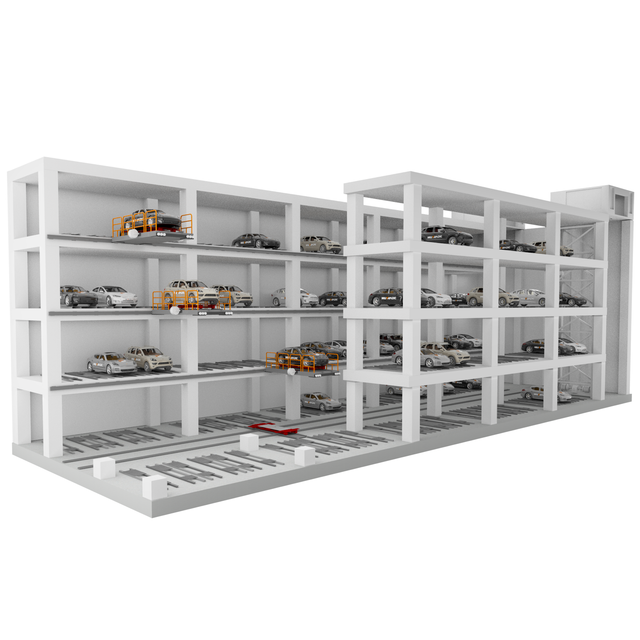
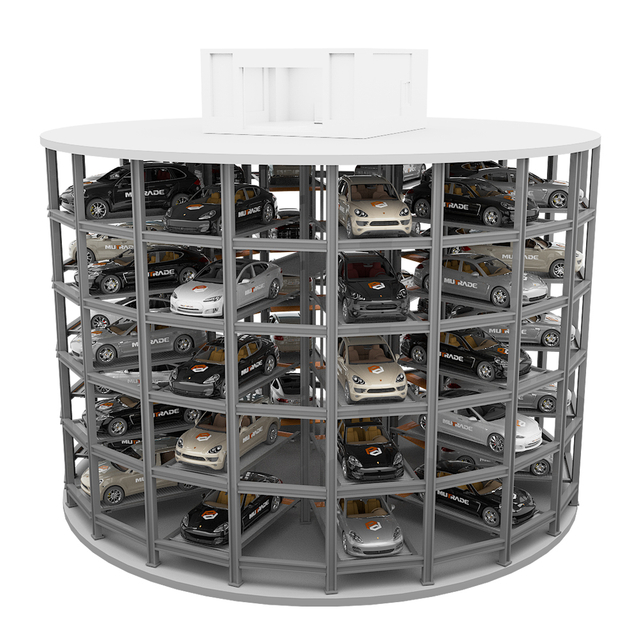
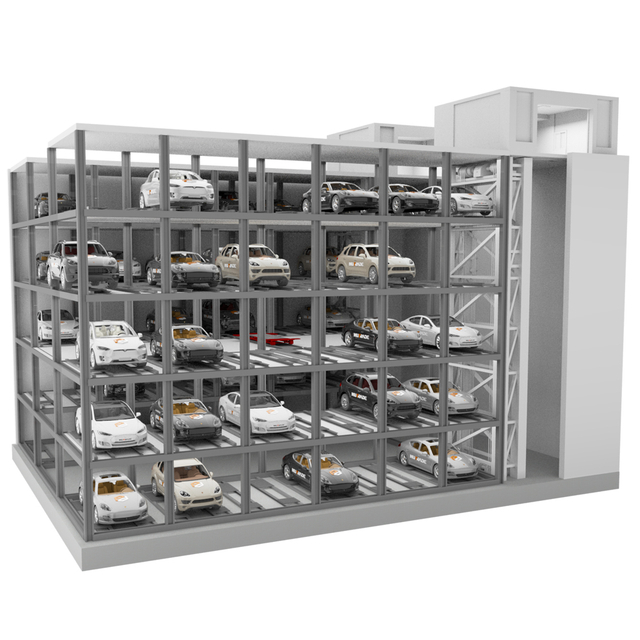
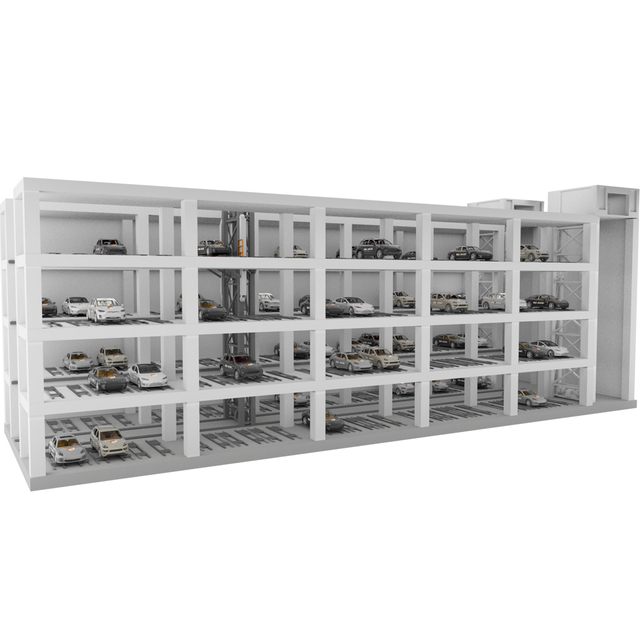
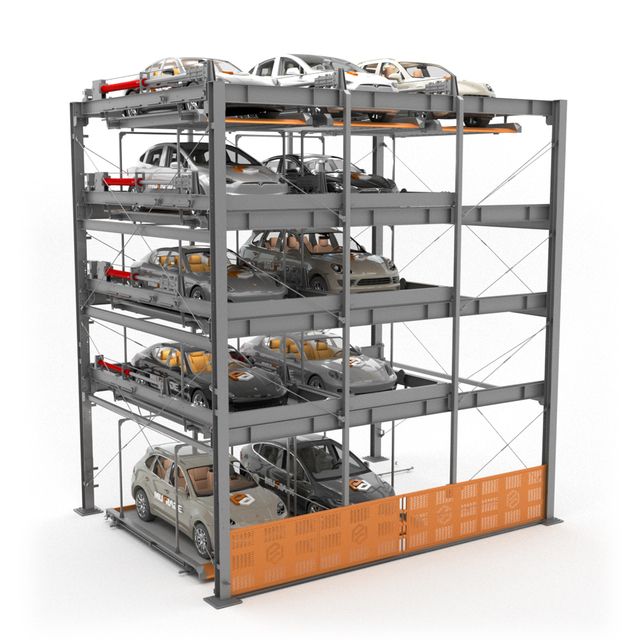
Mechanical and automated parking systems offer different levels of capacity, automation, and installation complexity. Two-level parking lifts provide a relatively straightforward solution for increasing vehicle storage, while automated tower, shuttle, and multi-level systems support higher-density developments.
Explore Mutrade's Mechanical Parking Lifts and Automated Parking Systems for different project configurations.
System Type | Main Advantage | Suitable Applications |
|---|---|---|
Two-Level Parking Lifts | Vertical space utilization | Residential and commercial garages |
Pit Parking Systems | Independent access in suitable designs | Space-constrained buildings |
Automated Tower Systems | High-density vertical storage | Urban developments |
Shuttle Parking Systems | Automated storage and retrieval | Large commercial facilities |
Smart Parking Guidance | Improved use of existing spaces | Traditional parking garages |
Automated parking control systems use PLCs, sensors, and compatible software to coordinate vehicle positioning, lifting, and retrieval operations. Local control can support time-sensitive equipment functions, while optional management platforms provide monitoring and reporting. Network security and compatibility should be considered when integrating access control or building management systems.
EV-ready parking systems require appropriate electrical capacity, safe charging equipment placement, and suitable cable management. Moving platforms may need specialized power connections where charging is supported. Modular layouts and reserved infrastructure can also help developers accommodate future vehicle demand and system expansion.
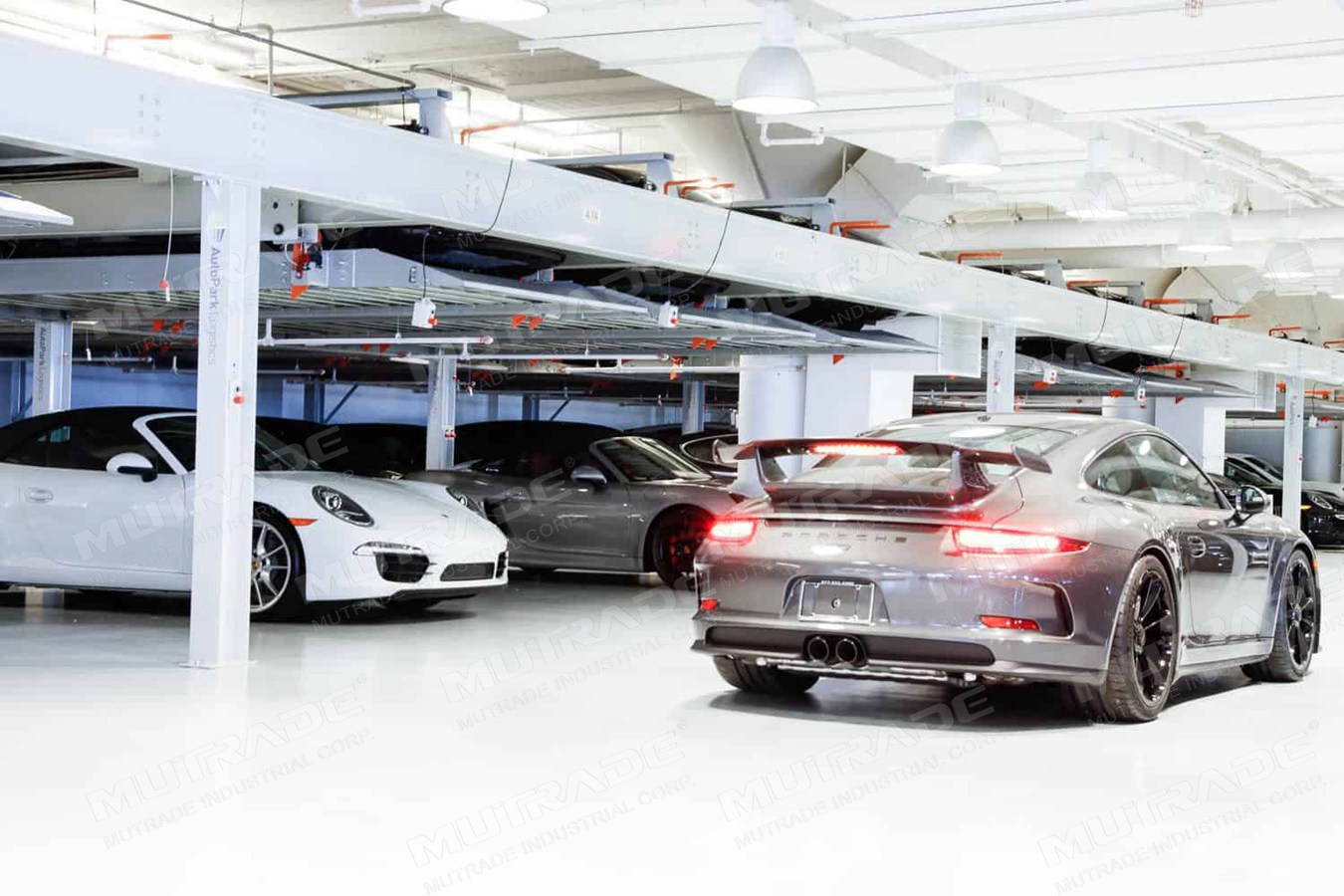
Mechanical parking system installation involves civil preparation, structural assembly, electrical connections, and control system configuration. Proper installation sequencing helps ensure equipment alignment, operational safety, and long-term reliability.
Parking system civil works include site preparation, excavation, foundation construction, and anchor installation. For pit-type systems, excavation depth, drainage, and waterproofing require additional consideration. Concrete strength and structural specifications must meet the selected equipment's engineering requirements.
The main installation stages include:
Installation Step | Key Activities |
|---|---|
Site Preparation | Clear the area and verify site dimensions |
Excavation & Utilities | Prepare pits, drainage, and electrical conduits |
Foundation Construction | Install reinforcement and pour concrete |
Curing & Anchoring | Verify concrete strength and install approved anchors |
Explore Mutrade's Mechanical Parking Lifts for different installation configurations.
Parking equipment installation involves assembling steel frames, lifting platforms, motors, and transmission components. Accurate alignment helps reduce vibration and mechanical wear. Electrical technicians then connect power supplies, PLC controllers, safety circuits, and drive systems according to manufacturer specifications.
Automated parking system controls rely on sensors to monitor vehicle positioning, equipment movement, and safe operating conditions. During installation, technicians configure compatible detection devices and calibrate sensors to identify vehicle dimensions and platform positions. Optional LPR cameras and digital management systems may require additional network integration.
Explore Mutrade's Automated Parking Systems for high-density parking applications.
Parking system commissioning verifies that mechanical components, electrical controls, safety devices, and operating procedures function as intended. Testing and documentation should be completed before the facility begins regular operation.
Parking system testing includes Factory Acceptance Testing (FAT), Site Acceptance Testing (SAT), and integrated operation checks. Engineers verify motors, limit switches, PLC controls, and vehicle positioning systems before conducting complete parking and retrieval cycles. Any detected faults should be corrected before final acceptance.
Mechanical parking lift safety testing evaluates rated lifting capacity, structural performance, emergency stops, and protective devices. Testing procedures and loads must follow applicable standards and manufacturer requirements rather than assuming a universal overload percentage.
Testing Area | Key Verification |
|---|---|
Load Performance | Rated capacity and structural response |
Mechanical Operation | Lifting, lowering, and transfer movements |
Safety Devices | Emergency stops, interlocks, and sensors |
Control Systems | PLC operation and fault detection |
Complete System | Parking and retrieval cycle performance |
Parking system handover should include operating manuals, electrical drawings, maintenance schedules, and inspection records. Facility staff should receive training in daily operation, emergency procedures, fault identification, and safe equipment shutdown. Manual recovery procedures, where supported, should be restricted to trained and authorized personnel.
Choosing a reliable parking system installation contractor requires evaluating technical experience, project management capabilities, maintenance support, and total installation costs. Clear responsibilities and realistic schedules help reduce delays and unexpected expenses.
Mechanical parking system contractors should provide detailed installation plans covering civil works, equipment delivery, structural assembly, electrical connections, and commissioning. Buyers should verify relevant project experience, engineering documentation, and coordination with local construction teams.
Parking system maintenance services help extend equipment life and reduce unexpected downtime. Buyers should evaluate preventive maintenance programs, spare parts availability, technical support, and service response times. A clear Service Level Agreement (SLA) helps define ongoing responsibilities and support expectations.
Evaluation Factor | What Buyers Should Verify |
|---|---|
Engineering Experience | Previous mechanical parking projects |
Installation Planning | Schedule, responsibilities, and site requirements |
Quality Assurance | FAT, SAT, and commissioning records |
Safety Compliance | Applicable standards and equipment documentation |
Technical Training | Operator and maintenance instructions |
After-Sales Service | Spare parts, warranty, and response arrangements |
Initiate a formal site feasibility audit to determine structural limits, concrete slab thickness, and utility availability.
Request detailed project timelines, Gantt charts, and methodology frameworks from shortlisted installation partners.
Draft a comprehensive SLA requirement document focusing on uptime guarantees, emergency response times, and local spare parts inventory.
Engage local municipal authorities early to map out zoning restrictions and specialized fire safety permit requirements.
A: Timelines vary based on complexity. A simple 2-level mechanical stacker retrofit can take a few weeks. Large-scale, fully automated subterranean systems often require six to twelve months, factoring in deep excavation, concrete curing, mechanical assembly, and extensive software integration testing.
A: Power demands depend on the number of active motors and lifts. Most commercial systems require a dedicated 480V 3-phase commercial power supply. You must also install robust backup generators and UPS systems to ensure vehicles can be retrieved during municipal grid outages.
A: Vendors use phased construction schedules. They barricade specific zones, allowing partial use of the existing lot. Heavy lifting, core drilling, and disruptive civil works are often scheduled during off-peak hours or weekends to minimize impact on daily facility operations and tenant access.
A: Edge computing processes data locally via on-site servers rather than relying on remote cloud connections. This eliminates network latency, ensuring instantaneous license plate recognition, rapid gate operation, and real-time mechanical lift commands, which is critical for smooth traffic flow.
A: Systems must comply with local building and fire codes, as well as guidelines from organizations like the Automated & Mechanical Parking Association. Key requirements include physical anti-fall locks, laser safety curtains, emergency stop circuits, and specialized fire suppression integration.
A: Yes, EV charging can be integrated. It requires specialized flexible cable management systems, like festoon cables, that move safely with the lifting platforms. Dynamic load management software is also necessary to prevent the combined draw of multiple chargers from overloading the facility's electrical panel.