- All
- Product Name
- Product Keyword
- Product Model
- Product Summary
- Product Description
- Multi Field Search

 English
Views: 0 Author: Site Editor Publish Time: 2026-06-08 Origin: Site


Car Elevator elevators save space but choosing the right system is challenging. Hydraulic and scissor elevators differ in design and function. In this post, you’ll learn how each system works and which suits your project best.
Table of Contents
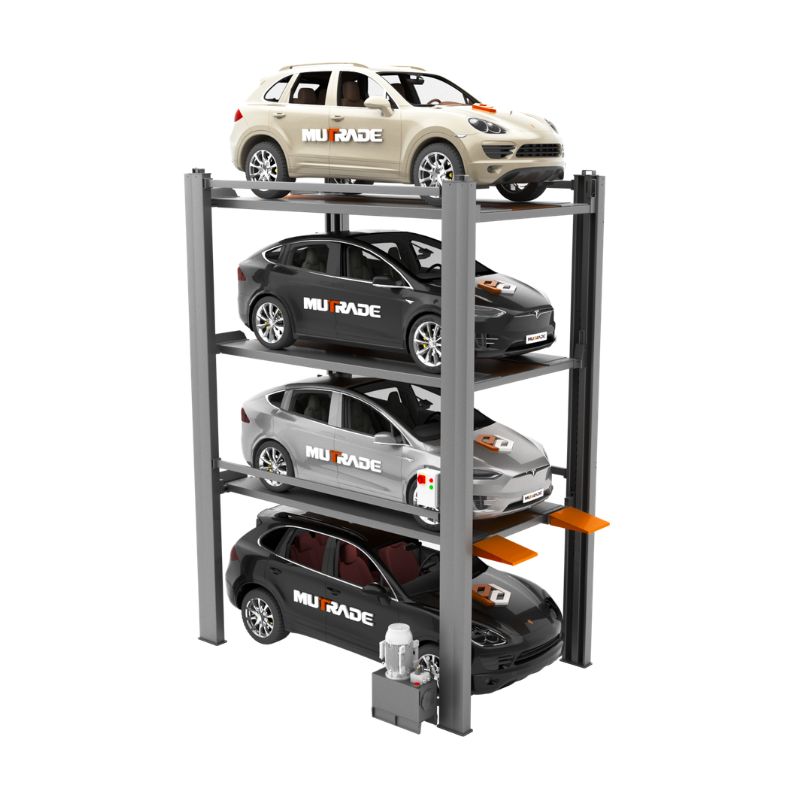
Hydraulic car elevators use fluid pressure to lift vehicles. A pump pushes hydraulic fluid into a cylinder, creating pressure that moves a piston. This piston raises the elevator platform smoothly. When lowering, the fluid releases back into the reservoir, and the platform descends gently. This system relies on Pascal’s principle, where pressure applied to a confined fluid transmits evenly, generating strong lifting force.
Hydraulic elevators consist of several main parts:
Hydraulic pump: Moves the fluid through the system.
Hydraulic cylinder: Houses the piston that lifts the platform.
Piston: Transfers fluid pressure into mechanical motion.
Reservoir: Stores hydraulic fluid when not in use.
Control valves: Regulate fluid flow to control speed and direction.
Safety valves: Prevent overpressure and ensure safe operation.
These components work together to provide reliable lifting power and smooth motion.
Hydraulic systems offer several benefits:
High load capacity: They can lift heavy vehicles easily.
Smooth operation: Fluid pressure enables gentle starts and stops.
Compact design: Hydraulic machinery fits in small machine rooms or can be machine-room-less.
Cost-effective installation: Typically cheaper than traction systems in low-rise applications.
Durability: They perform well in harsh environments and require less structural support.
These advantages make hydraulic elevators a popular choice for many projects.
Hydraulic car elevators suit various settings:
Residential garages: Ideal for single or multi-car lifts.
Commercial parking structures: Handle frequent use and heavy loads.
Service centers: Provide smooth lifting for repair and maintenance.
Outdoor installations: Hydraulic systems tolerate weather extremes better than electric traction elevators.
Because they don’t rely on ropes or counterweights, hydraulic elevators fit well where space and budget are limited.
Tip: Regularly inspect hydraulic fluid levels and seals to prevent leaks and maintain smooth elevator operation.
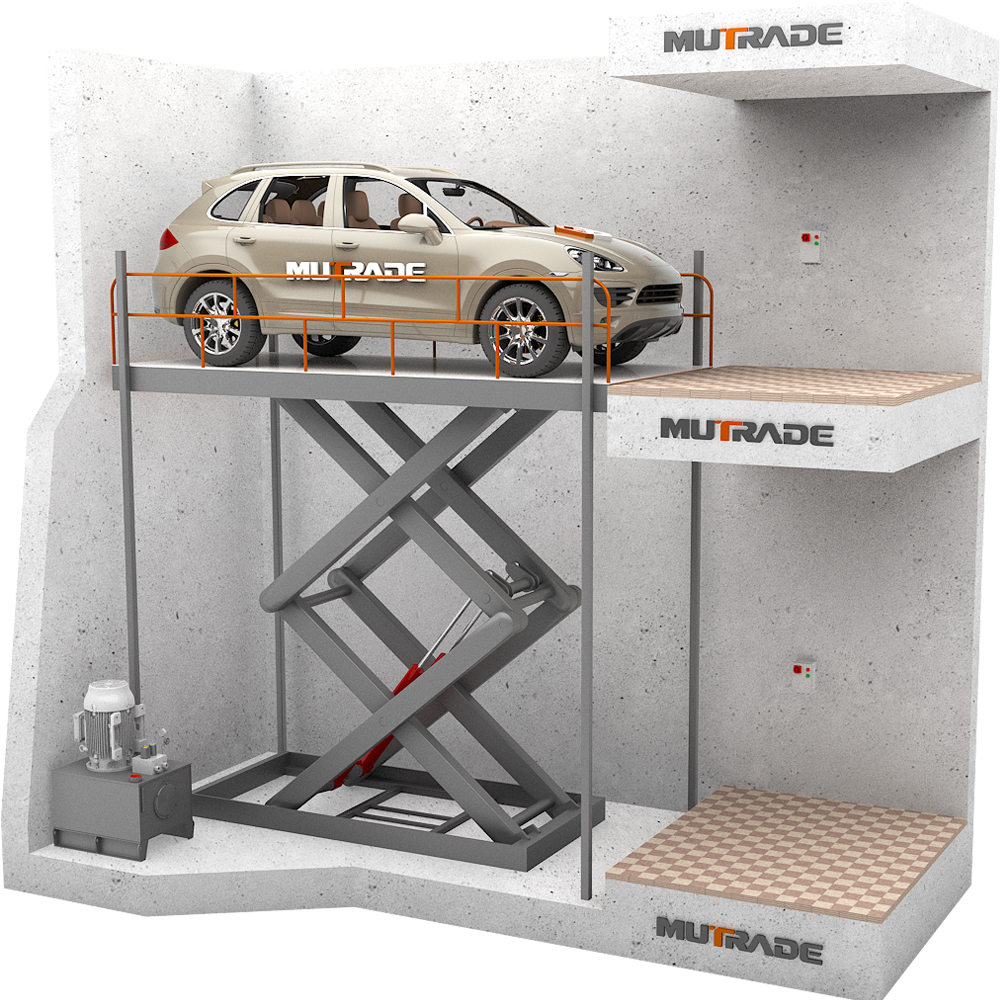
Scissor car elevators lift vehicles using a set of crisscrossing supports, called scissor arms, that extend and retract vertically. Hydraulic pressure or electric motors power these arms. When pressure builds, the arms unfold, pushing the platform upwards. To lower, the pressure releases, and the arms fold back, bringing the platform down smoothly. This design ensures stable, vertical movement without swinging or tilting.
Car elevators typically use two main scissor lift types:
Hydraulic scissor lifts: Powered by hydraulic fluid, these lifts provide strong lifting force and durability. They suit heavy loads and rugged environments.
Electric scissor lifts: Driven by electric motors and batteries, these lifts operate quietly and with precise control. They are ideal for indoor, clean settings.
Some systems combine both, using electric motors to operate hydraulic pumps for balanced performance.
Scissor car elevators offer several advantages:
Compact footprint: Their vertical lifting mechanism requires less horizontal space, fitting tight installations.
Stable lifting: The scissor arms keep the platform level, ensuring vehicle safety.
Versatility: Suitable for various vehicle sizes and weights.
Smooth operation: Hydraulic or electric control allows gentle starts and stops.
Ease of maintenance: Simple mechanical design means fewer parts prone to wear.
Adaptability: Can be installed indoors or outdoors, depending on power source.
These benefits make scissor elevators a flexible choice for many projects.
Scissor car elevators excel in settings like:
Residential garages: Perfect for stacking vehicles in limited space.
Commercial parking: Efficiently move cars between levels in parking structures.
Automotive service centers: Provide quick, stable lifts for repairs and inspections.
Indoor environments: Electric scissor lifts suit clean, noise-sensitive areas.
Outdoor or rugged sites: Hydraulic scissor lifts withstand harsh weather and heavy use.
Choosing between hydraulic or electric scissor lifts depends on load needs, environment, and operational priorities.
Tip: For projects requiring quiet, precise lifting indoors, consider electric scissor elevators; for heavy loads or outdoor use, hydraulic scissor systems often perform better.
Hydraulic car elevators rely on fluid pressure to lift vehicles. A pump moves hydraulic fluid into cylinders, pushing pistons upward. This system uses Pascal’s principle, where pressure spreads evenly through the fluid, creating strong lifting force. Hydraulic scissor elevators also use fluid pressure but power crisscrossing arms that extend vertically.
Scissor car elevators come in two main power types: hydraulic and electric. Hydraulic scissor lifts use fluid pressure like hydraulic car elevators. Electric scissor lifts use motors powered by batteries or electricity. Electric motors drive the scissor arms smoothly, offering precise control without fluid leaks.
Hydraulic car elevators usually handle heavier loads than scissor elevators. The fluid power system provides strong, steady lifting force, making hydraulic elevators ideal for heavy vehicles or frequent use. Hydraulic scissor lifts also support substantial weight and rugged use.
Electric scissor elevators have lower load capacities, suited for lighter vehicles or less frequent lifting. Their strength depends on motor size and battery power, which limits maximum weight. Hydraulic scissor lifts, meanwhile, match or exceed hydraulic car elevators in load capacity but may be less compact.
Electric scissor elevators excel in speed and precision. Electric motors provide smooth, fast, and accurate movement, allowing fine platform positioning. This makes electric scissor lifts ideal for indoor environments needing quiet, precise lifts.
Hydraulic elevators and hydraulic scissor lifts operate more slowly due to fluid dynamics and mechanical resistance. They offer smooth starts and stops but less precise control. Hydraulic systems also consume more energy during operation compared to electric motors.
Hydraulic car elevators and hydraulic scissor lifts require regular maintenance. Hydraulic fluid levels, seals, and hoses must be inspected to prevent leaks. Filters and valves need periodic replacement. Hydraulic systems have more parts prone to wear, increasing maintenance time and costs.
Electric scissor elevators need less maintenance. They avoid fluid leaks and have fewer moving parts. Battery upkeep and motor inspections are necessary but simpler and less frequent. Over time, electric lifts can reduce operational costs despite higher initial investment.
Electric scissor elevators produce zero emissions during use, making them environmentally friendly. They consume less energy over time and avoid hydraulic fluid disposal issues. Electric lifts are ideal for indoor use or locations with strict environmental regulations.
Hydraulic elevators and lifts risk hydraulic fluid leaks, which can contaminate surroundings. They also use more energy due to pump operation and fluid resistance. However, hydraulic systems perform better in extreme temperatures and outdoor environments where electric lifts may struggle.
Electric scissor elevators operate quietly, suitable for noise-sensitive indoor settings like hospitals or offices. Their smooth electric motors minimize sound and vibration.
Hydraulic systems generate more noise from pumps and fluid movement. This can be disruptive in quiet environments. However, hydraulic lifts tolerate harsh outdoor conditions better than electric models, which may be vulnerable to moisture and temperature extremes.
Tip: Choose electric scissor elevators for quiet, precise indoor use and hydraulic systems for heavy loads or rugged outdoor environments requiring durability.
Hydraulic car elevators generally have a lower upfront cost compared to scissor elevator systems, especially electric scissor lifts. The hydraulic technology is well-established and simpler, which often translates to cheaper equipment and installation. Hydraulic scissor lifts, while more costly than basic hydraulic elevators, still tend to be more affordable than electric scissor scissor lifts due to their mechanical design and power source.
Electric scissor car elevators usually require a higher initial investment. Their advanced motors, batteries, and control systems drive up the price. However, these costs can be justified by their precision, speed, and quiet operation, particularly in indoor or noise-sensitive environments.
Hydraulic systems demand regular maintenance to ensure fluid levels remain adequate and seals do not leak. Over time, these systems may require filter changes, hose replacements, and occasional repairs due to wear and tear. This ongoing maintenance can increase operational expenses, especially in harsh environments where hydraulic fluid leaks pose risks.
Scissor elevators, particularly electric models, benefit from simpler maintenance routines. Electric lifts avoid hydraulic fluid, reducing leak risks and environmental hazards. Battery maintenance and motor checks are necessary but less frequent and less costly than hydraulic upkeep. Hydraulic scissor lifts share similar maintenance needs with traditional hydraulic elevators, including fluid monitoring and component inspection.
Choosing the most cost-effective system depends on project requirements. Hydraulic elevators excel in heavy-load, outdoor, or rugged environments where durability matters more than speed or noise. Their lower initial cost and robustness make them economical for these scenarios.
Electric scissor elevators shine in indoor, noise-sensitive, or precision-demanding projects. Despite higher upfront costs, their lower energy use and reduced maintenance can save money long term. For projects with frequent use and lighter loads, electric scissor lifts may offer better value.
Hydraulic scissor elevators strike a balance, offering strength and durability with moderate costs. They suit projects needing heavy lifting outdoors but with some space constraints.
Assess total cost of ownership: Include purchase, installation, maintenance, and energy costs.
Consider project environment: Outdoor, indoor, noise restrictions, and space limitations impact system choice and cost.
Plan for maintenance: Budget for regular inspections, fluid changes, battery upkeep, and potential repairs.
Consult suppliers: Get detailed quotes and maintenance plans to avoid surprises.
Factor in operational needs: High-frequency use or heavy loads may justify higher upfront investment for long-term savings.
Tip: When budgeting, weigh initial costs against long-term maintenance and operational expenses to select the car elevator system that delivers the best value for your project's specific demands.
Car elevators must comply with strict safety standards to protect users and property. These standards vary by region but commonly include guidelines from organizations such as the American Society of Mechanical Engineers (ASME), Occupational Safety and Health Administration (OSHA), and local building codes. Key regulations cover load capacity limits, emergency stop functions, platform guardrails, and proper signage. Compliance ensures elevators operate safely under all conditions and reduces liability risks.
Proper training is essential for safe car elevator operation. Operators should receive instruction on system mechanics, emergency procedures, and daily inspection routines. Certification programs often cover hazard recognition, safe loading and unloading practices, and use of safety devices. Well-trained operators minimize accidents caused by misuse or neglect. Ongoing refresher courses help maintain high safety standards and keep operators updated on regulatory changes.
Both hydraulic and scissor car elevators include safety features designed to prevent accidents:
Emergency stop buttons: Allow immediate halting of elevator movement.
Overload sensors: Detect excessive weight and prevent operation beyond capacity.
Safety locks or mechanical stops: Engage automatically to hold the platform if power fails.
Guardrails and barriers: Protect vehicles and personnel from falling off the platform.
Non-slip surfaces: Reduce slip hazards during loading and unloading.
Alarm systems: Alert operators and nearby personnel during malfunctions or emergencies.
Hydraulic systems often include pressure relief valves to prevent overpressure, while scissor elevators may have mechanical locking arms that engage if hydraulic pressure drops.
Regular maintenance is critical to safe elevator operation. Best practices include:
Routine inspections: Check hydraulic fluid levels, seals, hoses, and electrical components.
Lubrication: Keep moving parts well-lubricated to reduce wear and prevent failures.
Testing safety devices: Regularly verify emergency stops, overload sensors, and mechanical locks.
Cleaning: Remove debris and contaminants from platforms, controls, and safety sensors.
Documentation: Maintain detailed maintenance logs for compliance and troubleshooting.
Professional servicing: Engage qualified technicians for complex repairs and annual safety audits.
Adhering to these practices reduces breakdowns, extends equipment life, and keeps users safe.
Tip: Establish a comprehensive training and maintenance schedule to ensure your car elevator system remains safe, compliant, and reliable over its lifespan.
Start by understanding your project's specific needs and environment. Are you working indoors or outdoors? Hydraulic elevators handle outdoor conditions and extreme temperatures better. Electric scissor lifts excel indoors, offering quiet, precise operation. Consider exposure to weather, temperature variations, and noise restrictions. Also, think about the type of vehicles you'll lift—heavy trucks need more robust systems like hydraulic elevators or hydraulic scissor lifts. For lighter vehicles or less frequent use, electric scissor lifts might be sufficient.
Load capacity is crucial. Hydraulic elevators generally support heavier loads, ideal for commercial garages or service centers with frequent use. Scissor lifts vary: hydraulic scissor lifts handle heavy loads well, while electric scissor lifts suit lighter vehicles and moderate use. Usage frequency also matters. High-frequency operations benefit from systems with lower maintenance downtime. Electric scissor lifts often require less upkeep, making them a good choice for busy indoor environments. For rugged, heavy-duty tasks, hydraulic systems offer durability despite higher maintenance.
Space availability impacts your choice. Hydraulic elevators need room for pumps and reservoirs, though modern machine-room-less designs save space. Scissor lifts have a compact footprint, especially electric models, fitting tight spaces easily. If your site has limited headroom or floor space, scissor elevators might be better. Also, installation complexity and structural support must be assessed. Hydraulic systems require strong foundations to support heavy loads and equipment. Scissor lifts generally have simpler installation but check ceiling height clearance for vertical lift.
Finally, consult with experienced suppliers and engineers. They can analyze your project details, recommend the best system, and customize designs. Professionals consider safety codes, maintenance access, and integration with your building. They also provide cost estimates and help plan budgets. Getting expert advice early prevents costly mistakes. Suppliers often offer demonstration units or case studies to help you visualize options. Tailored solutions ensure your car elevator meets performance, safety, and budget goals efficiently.
Tip: Engage with industry experts early to match your project’s unique needs with the ideal car elevator system, ensuring safety, efficiency, and cost-effectiveness.
Hydraulic and scissor car elevators differ mainly in power, load capacity, and operation. Hydraulic systems suit heavy loads and rugged outdoor use. Scissor elevators offer compact design and precise control, ideal for indoor settings. Choosing depends on project needs, space, and environment. Future trends focus on efficiency and quieter operation. Seeking expert advice ensures the best system choice. Qingdao Mutrade Co., Ltd. provides reliable car elevator solutions that deliver safety, durability, and value for diverse projects.
A: A car elevator is a mechanical system designed to lift vehicles vertically. Hydraulic car elevators use fluid pressure to move pistons that raise the platform smoothly, while scissor car elevators use crisscrossing arms powered by hydraulic or electric means to lift vehicles safely.
A: Hydraulic car elevators offer higher load capacity and durability, making them ideal for heavy vehicles and outdoor use. Scissor car elevators provide a compact footprint and precise control, better suited for indoor or noise-sensitive environments.
A: Hydraulic car elevators generally have lower initial costs but may incur higher maintenance expenses. Electric scissor elevators have higher upfront prices but can be more cost-effective long term due to lower maintenance and energy use.
A: Regularly check hydraulic fluid levels, inspect seals for leaks, replace filters, and test safety valves to ensure smooth, safe operation of the hydraulic car elevator system.
A: For hydraulic car elevators, inspect fluid leaks and pump operation; for scissor elevators, check motor function and mechanical arms. Always consult a professional for complex repairs to maintain safety and performance.
