- All
- Product Name
- Product Keyword
- Product Model
- Product Summary
- Product Description
- Multi Field Search

 English
Views: 0 Author: Site Editor Publish Time: 2026-03-23 Origin: Site


An Automated Parking System transforms the way buildings manage vehicle storage. From maximizing parking capacity to improving retrieval times, it’s more than just technology—it’s smart urban design. In this guide, we explore essential automated parking system design considerations, including layout planning, safety, accessibility, and sustainability. Whether you’re designing for a residential tower, office complex, or mixed-use development, understanding these factors ensures efficiency, user satisfaction, and compliance. Discover how thoughtful APS design can save space, enhance flow, and integrate seamlessly into modern architecture.
Design is more than lines on paper. It shapes how an automated parking system (APS) performs, how users interact with it, and even how a building feels. A thoughtfully planned system can make a huge difference in everyday operation.
The layout decides how many cars can fit. They may seem small changes, like aisle width or lift placement, can free up 10–20% more space.
Vertical stacking efficiency – Using lifts correctly can double storage in tight lots.
Compact arrangements – Puzzle or carousel systems reduce wasted gaps.
Flexible sizing – Adjusting for SUVs, sedans, or electric vehicles keeps spaces usable.
Example Table: Capacity Impact by Design Choice
| Design Choice | Effect on Capacity |
|---|---|
| Wider aisles | Fewer cars fit |
| Optimized lift placement | +15–20% cars stored |
| Flexible vehicle sizing | +10% usable spaces |
Smooth traffic means happier users. A poor layout can cause jams, long waits, or frustrated drivers.
Shorter paths reduce retrieval times.
Multiple entry/exit points prevent bottlenecks.
Automated sequencing lets cars move efficiently, even during peaks.
We can measure performance in seconds per retrieval. They tell you if the system meets daily demand.
A well-designed automated parking system keeps everyone safe, including drivers, pedestrians, and maintenance staff. It separates pedestrian walkways from vehicle paths, reducing the chance of accidents. Ramps, clear signage, and emergency access routes make it easier for everyone to navigate, while lifts, platforms, and parking vaults are designed to prevent collisions. By considering safety from the beginning, developers can avoid costly retrofits or redesigns later, saving both time and money while ensuring peace of mind for all users.
Parking is more than just storage—it shapes the look and feel of a building and its surroundings. Poorly integrated garages can disrupt streetscapes and make a development feel heavy or uninviting. Thoughtful design blends mechanical systems into the architecture, using façade treatments, landscaping, or greenery to soften the appearance. Designers also consider street views, pedestrian flow, and building circulation to ensure the parking facility complements the urban environment while remaining functional and visually appealing.
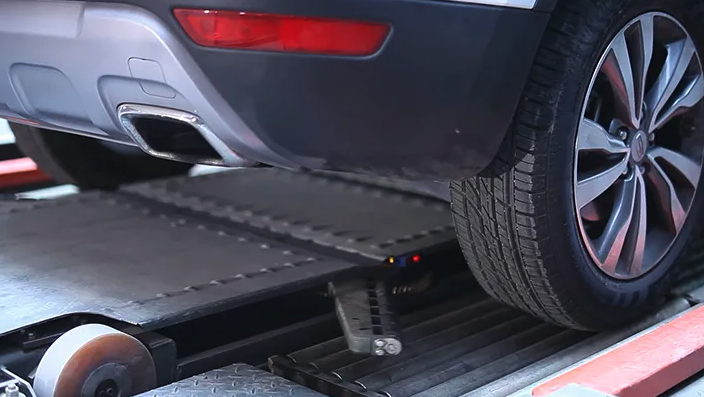
Designing an automated parking system (APS) goes beyond stacking cars. Each choice impacts capacity, efficiency, safety, and user satisfaction. Let’s break down the critical factors.
Planning capacity is more than counting cars.
Determine total demand: daily users, peak hours, and seasonal variations.
Full automation vs. mixed systems: a hybrid may save costs while handling peaks.
Account for future scalability: growing occupancy or larger vehicles.
Balance efficiency and accessibility for drivers.
Quick Tip: Even small adjustments in lift placement can free up 10–15% more spaces.
| Planning Factor | Consideration |
|---|---|
| Peak usage | Requires faster retrieval times |
| Full automation | Maximizes density, may raise cost |
| Mixed system | Flexible, supports occasional manual parking |
| Scalability | Future-proof against growth |
Different regions have different vehicle profiles. They influence lift sizes, bay dimensions, and aisle width.
Standard dimensions: cars ~2.5×5m, SUVs ~2.7×5.5m, trucks ~3×6m.
Special vehicles: electric cars, oversized vans, delivery trucks.
Geographic distribution: North America vs. Europe vs. Asia.
ECS (Equivalent Car Space) ensures compliance with building codes.
Performance defines user experience. We measure:
Retrieval time: seconds per vehicle.
Throughput: cars processed per hour.
Operational reliability: uptime, maintenance requirements.
Benchmarks:
| Building Type | Typical Retrieval Time | Notes |
|---|---|---|
| Residential | 2–3 min | Lower daily volume |
| Office | <1.5 min | Peak-hour efficiency critical |
| Mixed-use | 1–2 min | Flexible design needed |
Entry and exit points play a crucial role in both traffic flow and overall safety of an automated parking system. Optimally placing these points can minimize congestion during peak hours and streamline vehicle movement. Waiting areas are designed to be safe, secure, and fully ADA compliant, providing comfort for drivers as they access the system.
Designers also account for queuing length, turning radius, and emergency access, ensuring that even busy periods do not create bottlenecks. Clear signage, well-lit zones, and separate pedestrian pathways further enhance safety, while multiple entry and exit lanes allow high-volume traffic to move efficiently without delays.
Smooth internal circulation is key to a stress-free parking experience. Pedestrians are carefully separated from vehicles to reduce the risk of accidents. Proper turning radii are incorporated to accommodate cars, SUVs, and larger delivery vans, ensuring vehicles can navigate aisles easily.
Back-of-house operations, such as maintenance, deliveries, and waste management, are integrated into the design to avoid interference with regular traffic. By minimizing bottlenecks and optimizing the flow, the system ensures vehicles move efficiently and drivers can retrieve their cars quickly, keeping both users and operators satisfied.
Mechanical and robotic designs form the heart of any automated parking system. They allow vertical and horizontal space to be used efficiently.
System types: lifts, puzzle systems, carousel systems. Each fits different building layouts and capacity needs.
High-density layouts: minimize footprint but keep retrieval times fast.
Safety features: redundant components, fail-safes, and emergency stops ensure smooth and reliable operation.
Careful vault design improves efficiency, reduces downtime, and enhances user satisfaction.
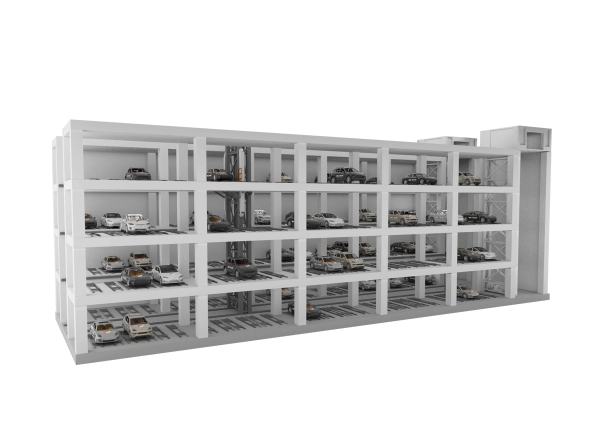
Outdoor or semi-open APS setups face weather challenges. Proper planning protects the system from wear and failure.
Weather protection: guard mechanical parts against wind, rain, snow, and extreme heat.
Material resilience: consider temperature swings, humidity, and corrosion risks.
Sustainable design: integrate solar panels, LED lighting, and eco-friendly materials to reduce energy use.
Addressing climate factors early improves system longevity and supports urban sustainability goals.
Every project is unique. APS solutions must fit building scale, traffic patterns, and budget.
System selection: fully customizable for complex layouts or standardized for simpler projects.
Architecture integration: ensure mechanical systems complement the building’s design.
Operational fit: design tailored to traffic flow and user experience, avoiding unnecessary bottlenecks.
Customization ensures the system is functional, visually appealing, and efficient long-term.
Compliance is critical for any automated parking system. APS must follow both national and local building codes, which define minimum requirements for space, load, and safety. Fire safety and emergency access need to be planned from the design stage to avoid costly retrofits later. Accessibility for specially-abled drivers is also essential, including bay sizes, pathway widths, and visible signage to ensure safe and convenient access.
Collaborate early with municipal authorities and safety boards to streamline approvals.
Verify all designs meet local regulations and standards before construction.
Incorporate safety audits throughout planning to prevent compliance gaps.
Early attention to regulations reduces delays and ensures the system operates safely for everyone.
Reliable technology is the backbone of a high-performing mechanical parking system. Choosing proven APS vendors ensures quality and long-term support. Redundant components and fail-safes minimize downtime, while IoT-enabled monitoring allows predictive maintenance and real-time performance tracking.
Test systems thoroughly before opening to avoid delays or user frustration.
Provide accessible service and maintenance support for quick issue resolution.
Monitor performance metrics like retrieval times and uptime to maintain efficiency.
Well-chosen technology combined with proactive monitoring keeps the system running smoothly and improves user experience.
Modern automated parking systems are not just about efficiency—they can also support sustainability goals. Thoughtful design reduces energy use, minimizes environmental impact, and enhances urban living.
Energy efficiency starts at the operational level. Automated parking systems can reduce power use through smart lighting, motion sensors, and automated controls that dim lights when areas are unused. Minimizing vehicle idling further reduces emissions and energy waste.
Smart lighting: LED fixtures activated only when needed.
Optimized lifts and conveyors: Reduce energy draw during low-demand periods.
Idle reduction: Cars move only when required, cutting unnecessary emissions.
These measures lower operational costs while supporting greener urban development.
Incorporating renewable energy enhances the sustainability of an APS design. Solar panels, rooftop photovoltaics, and even green roofs can offset electricity needs. Some systems integrate energy storage to supply peak-demand periods efficiently.
Solar panels: Power lifts, lights, and control systems.
Green roofs: Reduce heat absorption, improve insulation, and support stormwater management.
Energy storage: Smooths supply during high-use hours.
This approach aligns mechanical parking solutions with modern energy standards and corporate sustainability goals.
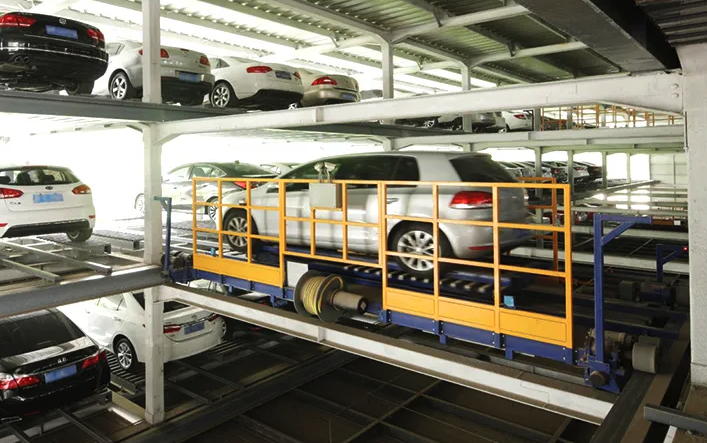
Designing an automated parking system isn’t just about stacking cars—it’s about creating an experience. When capacity, vehicle flow, and safety are planned carefully, your APS becomes a reliable, efficient, and user-friendly solution.
By considering sustainability, renewable energy, and urban integration, developers can add real value while reducing environmental impact. Partnering with experts like Qingdao Mutrade Co., Ltd. ensures customized solutions, cutting-edge technology, and ongoing support for smooth, long-term operations.
A: APS can save up to 50–70% of space by eliminating ramps, driving lanes, and extra clearance between cars.
A: Yes, many systems are designed for SUVs, trucks, and electric vehicles, including charging stations and adjusted bay dimensions.
A: Typical retrieval times range from 30–120 seconds, depending on system type, vehicle location, and peak demand.
A: Redundant lifts, fail-safes, emergency stops, fire suppression, and pedestrian separation ensure reliable and secure operation.
A: APS is often built into basements, podiums, or vertical towers, optimizing footprint while blending with architecture and traffic flow.