- All
- Product Name
- Product Keyword
- Product Model
- Product Summary
- Product Description
- Multi Field Search

 English
Views: 0 Author: Site Editor Publish Time: 2026-06-08 Origin: Site


Ever wondered how cars move between floors in tight spaces? Car elevators solve this challenge efficiently. They save space and add convenience in many buildings.
A car elevator is a lift designed to transport vehicles vertically. Its use has grown with urban space limits and modern architecture. Today, car elevators appear in homes, commercial garages, and industrial settings.
In this post, you’ll learn what car elevators are, their types, benefits, costs, and where they are commonly used.
Table of Contents

Hydraulic car elevators use a piston driven by hydraulic fluid to lift vehicles. They excel in low- to mid-rise buildings, typically up to 6 floors. Their smooth, quiet operation suits residential villas, commercial garages, and places with moderate traffic. Hydraulic systems require less pit depth—around 300-500mm—making installation easier in space-constrained sites.
Key features include:
Lower upfront cost compared to traction systems
High load capacity, often up to 6,000 kg for commercial models
Reliable for heavy vehicles and SUVs
Slower speed range (0.15 to 0.5 m/s), ideal for short travel distances
Hydraulic elevators are perfect when space is limited and budget is a concern. They provide dependable service for buildings with fewer floors and moderate traffic.
Traction car elevators lift vehicles using steel ropes and counterweights powered by an electric motor. They are common in high-rise buildings and places needing fast, energy-efficient lifts. These systems operate quietly and efficiently, suitable for commercial parking garages and industrial applications.
Distinctive features include:
Higher speeds (up to 2.5-4 m/s), ideal for tall buildings
Energy efficiency with regenerative drives that recycle power
Require deeper pits and overhead space for machinery
Better suited for frequent, heavy use
Traction elevators fit buildings with 6 or more floors. They offer faster transit times and reduced energy consumption but come with higher installation costs.
Car elevators vary by application, each tailored for specific needs:
Residential: Smaller platforms, load capacity around 2,000-4,000 kg. Focus on aesthetics, space-saving designs, and quiet operation. Often include smart controls and customization options to blend with home interiors.
Commercial: Larger capacities (4,000-6,000 kg), faster speeds, and durable designs. Used in parking garages, hotels, and office buildings. Emphasis on safety, automation, and handling higher traffic volumes.
Industrial: Heavy-duty lifts supporting up to 10,000 kg or more. Designed for specialized vehicles or machinery transport. Robust construction, weatherproofing, and high safety standards are critical.
Feature | Hydraulic Elevators | Traction Elevators |
|---|---|---|
Load Capacity | Up to 6,000 kg | Up to 10,000 kg |
Speed | 0.15 - 0.1 m/s | 2.5 - 4 m/s |
Suitable Building Height | Up to 15m | 6 floors and above |
Installation Space | Requires shallow pit (200-1000mm) | Requires deeper pit and overhead space |
Energy Efficiency | Lower efficiency, higher power use | High efficiency with regenerative drives |
Maintenance Cost | Generally lower | Higher due to complex components |
Initial Cost | Lower | Higher |
Noise Level | Quiet | Very quiet |
Choosing between hydraulic and traction depends on building height, usage frequency, budget, and energy goals. Hydraulic suits smaller, less busy sites; traction fits taller, busier buildings needing speed and efficiency.
Tip: When selecting a car elevator, match the drive system to your building's height and traffic needs to optimize performance and cost-effectiveness.
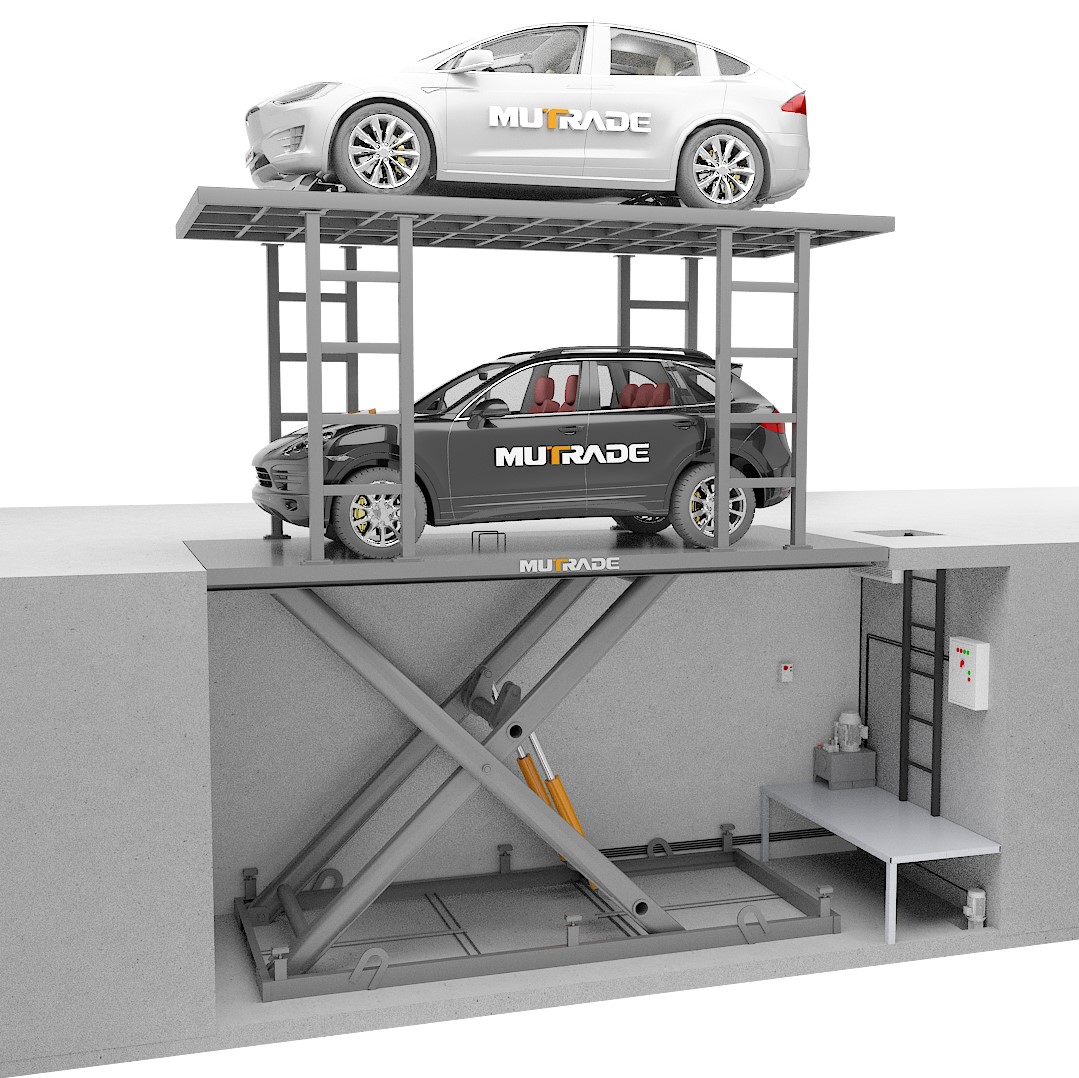
Modern car elevators are designed to handle a wide range of vehicles safely and efficiently. Residential models typically support 2,000 to 4,000 kg, enough for sedans, SUVs, and luxury cars. Commercial elevators handle 4,000 to 6,000 kg, accommodating heavier vehicles and sometimes multiple cars. Industrial elevators can lift up to 10,000 kg or more, suitable for trucks, machinery, or specialized vehicles. This heavy-duty capacity ensures smooth operation without strain, even with large SUVs or commercial vehicles.
Space is often limited, especially in urban areas. To address this, car elevators feature compact platforms designed to fit various vehicle sizes. Standard platform dimensions range from about 5,000mm × 2,200mm for compact cars to 6,500mm × 2,800mm for large SUVs and commercial vehicles. Many modern systems include turntable platforms that rotate 360 degrees. This allows cars to enter and exit without needing extra space for maneuvering, saving 30-40% of floor area. Such designs maximize parking efficiency in tight spaces.
Safety is a top priority. Car elevators incorporate multiple redundant safety features to protect vehicles and users:
Overload Protection: Sensors detect excess weight and prevent operation.
Anti-Slip Platforms: Surfaces use checkered steel or rubber coatings to prevent vehicle movement.
Emergency Brakes: Electromagnetic brakes engage during power failures.
Door Interlocks: Prevent movement unless all doors are securely closed.
Overspeed Governors: Automatically activate safety gear if speed limits are exceeded.
These systems comply with international standards like IS 14665, ensuring reliable and secure operation.
Outdoor or semi-outdoor elevators face harsh conditions. To ensure durability:
Weatherproof Enclosures: Powder-coated steel or aluminum resists rain, dust, and UV.
Drainage Systems: Prevent pit flooding during heavy rains.
Corrosion-Resistant Materials: Stainless steel or galvanized finishes protect against rust.
Wide Temperature Tolerance: Operate reliably between -10°C and +50°C, suitable for varied climates.
These features extend equipment lifespan and maintain performance.
Automatic Rescue Devices (ARD) are vital during power outages. They activate within seconds, moving the elevator to the nearest floor and opening doors safely. Typically, ARD provides 2-4 rescue cycles per full charge, preventing vehicles from getting stuck and ensuring user safety.
Car elevators can match any building’s style:
Cabin Finishes: Stainless steel, glass walls, or powder-coated panels.
Platform Surfaces: Checkered steel, rubber coatings, or custom colors.
Door Styles: Manual swing, automatic sliding, bi-parting, or telescopic.
Lighting: LED strips, motion-activated panels, or RGB color-changing systems.
Customization enhances visual appeal and integrates elevators seamlessly with interiors.
Reducing upkeep lowers long-term costs. Modern elevators include:
Self-Lubricating Components: Bearings and guide shoes with built-in lubrication.
Wear-Resistant Materials: Hardened steel rails and durable cables.
Diagnostic Systems: Monitor performance and alert for potential issues early.
Modular Design: Allows easy replacement of parts without major disassembly.
These features minimize downtime and maintenance expenses.
Tip: Prioritize car elevators with smart automation and energy-efficient technologies to boost convenience, safety, and reduce operational costs over time.
Car elevators help save precious space in crowded cities and busy buildings. Instead of sprawling ramps or large parking lots, elevators stack cars vertically. This vertical storage boosts parking capacity by up to 25-40%, freeing land for other uses like green spaces or amenities. Developers can maximize building footprints and reduce overall construction costs by using less horizontal space. This is especially valuable in urban areas where land prices are high and space is limited.
Car elevators offer easy vehicle access across multiple floors. Residents or users can park their cars right next to their apartments or offices without hunting for parking spots. This convenience saves time and reduces stress, improving the overall user experience. For people with mobility challenges, car elevators provide a safer and simpler way to move vehicles between levels. They also help reduce congestion in building lobbies and parking garages by streamlining vehicle flow.
Safety is a key benefit of car elevators. They come equipped with advanced safety systems like overload sensors, emergency brakes, and door interlocks. These features protect vehicles from damage during transit and prevent accidents involving users. Anti-slip platforms secure cars in place, reducing risks during movement. Emergency power backups ensure vehicles don’t get stuck during outages. Such safety measures build trust and confidence among users, making car elevators a reliable choice.
Installing a car elevator can significantly boost a property’s value. Luxury residential buildings, commercial complexes, and showrooms gain prestige and attract high-end buyers or tenants. The convenience and space-saving aspects make properties more competitive in the market. Studies suggest car elevator-equipped buildings can command higher rents and resale prices, offering a strong return on investment. For developers and owners, this makes car elevators a smart financial decision.
Car elevators add a touch of sophistication and modernity. Sleek designs, customizable finishes, and smooth operation enhance a building’s overall image. For luxury homes, they offer a unique selling point that appeals to affluent buyers. Commercial properties benefit from the upscale impression they create, attracting premium clients and customers. Beyond functionality, car elevators contribute to a building’s architectural character and curb appeal.
Modern car elevators incorporate energy-efficient technologies that reduce power consumption. Features like LED lighting, variable frequency drives, and regenerative braking lower energy use and costs. Efficient use of vertical space also supports sustainable urban development by reducing the need for large parking structures. Additionally, energy-saving designs help buildings meet green certifications and environmental regulations, aligning with growing sustainability goals.
Tip: When planning a car elevator installation, prioritize models with energy-efficient features and smart safety systems to maximize long-term benefits and user satisfaction.

The initial cost of installing a car elevator depends mainly on the type of system chosen. Hydraulic elevators usually come with a lower upfront price due to simpler mechanics and less structural requirement. Typical costs range from $30,000 to $70,000 for residential or light commercial use. Traction elevators, being more complex and suited for taller buildings, often cost between $60,000 and $120,000 or more. These prices include the elevator unit, installation labor, and basic controls but can vary based on location and supplier.
Additional expenses may arise from site preparation, such as reinforcing floors or creating pits. For industrial-grade elevators or those with advanced features like turntables or smart controls, costs increase accordingly. Custom finishes or larger platforms also add to the price tag.
Ongoing maintenance is essential to keep car elevators safe and reliable. Hydraulic systems generally have lower maintenance costs because of fewer moving parts but may require periodic fluid changes and seal replacements. Traction elevators need more frequent inspections of cables, motors, and control systems, increasing maintenance budgets.
Operational costs include electricity consumption and occasional repairs. Traction elevators tend to be more energy-efficient, potentially saving money over time despite higher initial costs. Budgeting for annual inspections, emergency servicing, and part replacements is crucial for long-term ownership.
Installing a car elevator demands careful planning regarding space and building structure. Hydraulic elevators require a shallow pit (300-500mm) and minimal overhead clearance, making them suitable for sites with limited vertical space. Traction elevators need deeper pits and overhead room for counterweights and machinery, which can complicate installation in existing buildings.
The building’s structural integrity must support heavy loads. Reinforced concrete floors and walls may be necessary to handle the elevator’s weight and dynamic forces. Structural engineers often assess the site before installation to recommend modifications or reinforcements.
Several factors directly impact the total cost of a car elevator:
Load Capacity: Higher capacity elevators require stronger components and larger platforms, increasing material and manufacturing costs.
Speed: Faster elevators, typical in traction systems, need advanced motors and controls, adding to expenses.
Features: Smart controls, automated doors, turntables, and safety systems raise the price.
Customization: Unique finishes, lighting, or design elements tailored to a building’s aesthetics add to costs.
Installation Complexity: Difficult site conditions, such as limited access or the need for structural upgrades, increase labor and time.
Choosing the right balance between these factors helps manage the budget while meeting functional needs.
Before installing a car elevator, obtaining necessary permits and ensuring compliance with local building codes and safety regulations is mandatory. Regulations may dictate elevator dimensions, safety features, fire protection measures, and accessibility standards.
Working with experienced contractors and consultants familiar with local laws can streamline approval processes. Non-compliance risks costly delays, fines, or unsafe installations. Early engagement with authorities and thorough documentation help avoid such issues.
Tip: Factor in both upfront installation and ongoing maintenance costs early to ensure your car elevator investment remains financially sustainable over time.
Luxury homes increasingly feature car elevators to enhance convenience and style. These elevators allow residents to park vehicles directly inside the villa or garage on different floors, saving space and adding a wow factor. They fit well in multi-level homes where traditional ramps take up too much room. Custom finishes and quiet operation blend the elevator seamlessly with elegant interiors. For car collectors, elevators provide secure, easy access to prized vehicles, often connecting private garages to showrooms or living spaces.
Car elevators play a vital role in commercial parking structures. They enable vertical stacking of vehicles, increasing parking capacity significantly without expanding the building footprint. This is crucial in urban areas where space is scarce and land costs are high. Elevators speed up vehicle movement, reducing congestion and wait times during peak hours. Many commercial garages use traction elevators for fast, frequent service. Automated systems integrate with ticketing and guidance technology, improving overall efficiency and user experience.
In automotive showrooms, car elevators showcase vehicles across multiple floors or levels. They allow easy transport of cars from storage areas to display floors, enhancing the shopping experience. Elevators with turntable platforms help position vehicles perfectly for viewing. Service centers use car elevators to move cars between repair bays, inspection areas, and storage. Heavy-duty models accommodate SUVs and trucks, streamlining workflow and reducing manual handling risks. Smart controls ensure safe, precise operation in busy environments.
Industrial sites and specialized vehicle transport facilities require robust car elevators designed for heavy loads and large vehicles. These elevators move trucks, machinery, or specialized equipment between floors or loading docks. They often feature reinforced platforms, weatherproofing, and high safety standards to handle harsh environments. Custom solutions may include oversized platforms or integration with conveyor systems. Such elevators improve operational efficiency, reduce vehicle damage risk, and support complex logistics in factories or warehouses.
Modern car elevators increasingly connect with smart building technologies. Integration with building management systems allows remote monitoring, predictive maintenance, and energy optimization. Access control systems restrict use to authorized personnel, enhancing security. IoT sensors provide real-time data on elevator status, usage patterns, and potential issues. Voice control and mobile app interfaces improve user convenience. Smart integration ensures elevators contribute to overall building efficiency, safety, and sustainability goals.
Tip: When selecting car elevators for diverse applications, choose models designed to meet specific operational demands and integrate smoothly with existing building systems for maximum efficiency.
Safety stands out as the most crucial feature in any car elevator. Look for systems that include:
Overspeed governors to prevent dangerous speeds
Emergency brakes that activate during power failures
Door interlocks ensuring doors close fully before movement
Overload protection sensors to avoid lifting beyond capacity
These features work together to protect vehicles and users. Even if your budget is tight, never compromise on these core safety elements. They are mandatory for reliable and secure operation.
Space requirements vary depending on vehicle size and platform design. Typical minimum dimensions are:
Compact cars: Approximately 5,000 mm (length) × 2,200 mm (width)
Standard sedans and SUVs: Around 5,500 mm × 2,400 mm
Large SUVs and commercial vehicles: Up to 6,500 mm × 2,800 mm
Using a turntable platform can reduce space needs by 30-40%, as it allows vehicles to rotate inside the elevator, eliminating the need for extra room to maneuver. Always factor in additional space for pit depth and overhead clearance based on the elevator type.
For residential buildings, the choice depends mainly on floors and budget:
Hydraulic systems suit 2 to 4-floor homes well. They cost less, need a shallow pit (300-500 mm), and operate quietly. Their speed is slower but adequate for short travel distances.
Traction systems fit homes with 5 or more floors. They offer faster speeds, better energy efficiency, and smoother rides but come at a higher price and require deeper pits and overhead space.
If space and cost are limited, hydraulic is usually the best option. For taller buildings or where speed and efficiency matter, traction is preferable.
Emergency power backups, often called Automatic Rescue Devices (ARD), activate during power outages. Here's how they function:
Detect power loss within 3 to 5 seconds
Use battery power to move the elevator to the nearest floor
Open doors safely to allow vehicle exit
Provide 2 to 4 rescue cycles per full charge
ARDs prevent vehicles from getting stuck mid-journey, ensuring user safety and peace of mind during blackouts.
Car elevators comply with strict international and local safety standards to guarantee secure operation. Commonly referenced standards include:
IS 14665: Indian Standard for vehicle lifts, covering design, safety, and testing
EN 81: European safety rules for elevators and escalators
ASME A17.1: Safety code for elevators in the United States
These standards mandate features like emergency brakes, overload sensors, door interlocks, and regular inspection protocols. Always verify that your elevator supplier provides certified products meeting these regulations.
Tip: Always prioritize safety features and regulatory compliance when selecting a car elevator to ensure reliable, secure, and legally approved operation for your building.
Choosing the right car elevator depends on your building’s height, traffic, and budget. Hydraulic elevators suit smaller buildings with moderate use, while traction systems fit taller, busier sites needing speed and efficiency. Key benefits include space optimization, safety features, and energy savings. Regular maintenance ensures long-term reliability and safety. Innovations like smart controls and energy-efficient drives improve convenience and sustainability. Qingdao Mutrade Co., Ltd. offers advanced car elevators that combine these features, delivering value through quality, safety, and modern technology.
A: A car elevator is a specialized lift designed to transport vehicles vertically between building floors, using hydraulic or traction systems to safely and efficiently move cars in limited spaces.
A: Hydraulic car elevators are cost-effective, require less pit depth, and work well for buildings up to 6 floors with moderate traffic, making them ideal for residential or low-rise commercial use.
A: Installation costs vary; hydraulic systems range from $30,000 to $70,000, while traction systems for taller buildings can cost $60,000 to $120,000 or more, depending on features and customization.
A: Modern car elevators include overload protection, emergency brakes, door interlocks, and overspeed governors to ensure vehicle and user safety during operation.
A: Car elevators maximize parking capacity by stacking vehicles vertically, saving 25-40% of floor space compared to ramps, which is crucial in space-constrained urban environments.
