- All
- Product Name
- Product Keyword
- Product Model
- Product Summary
- Product Description
- Multi Field Search

 English
Views: 0 Author: Site Editor Publish Time: 2026-06-08 Origin: Site


Ever wondered how much a car elevator really costs? These lifts are gaining popularity in homes and businesses alike. Understanding pricing helps you plan smartly.
Car elevators vary widely in price depending on type and use. Knowing the difference between residential and commercial options is key.
In this post, you’ll learn about cost factors, types, and how to choose the right car elevator for your budget.
Table of Contents
Hydraulic car elevators use fluid pressure to lift vehicles. They work well in low- to mid-rise buildings. These elevators offer smooth, quiet rides, making them popular in residential settings. They require less space for machinery since the pump is usually located at the bottom. Hydraulic systems are reliable and cost-effective but tend to consume more energy than other types.
Cost Range: Typically, hydraulic car elevators cost between $25,000 and $60,000. Prices vary depending on load capacity, customization, and installation complexity.
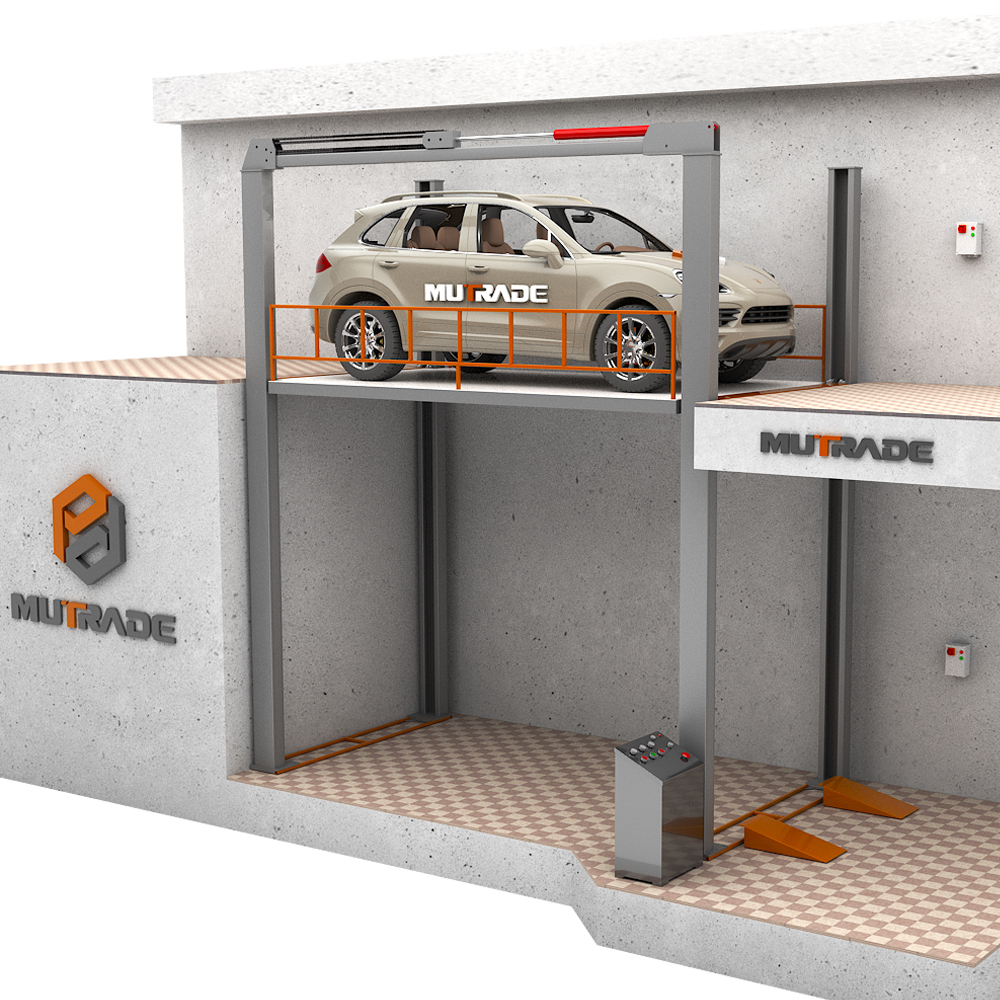
Traction elevators use a motor and counterweight system. This makes them faster and more energy-efficient than hydraulic models. They suit high-rise buildings and commercial uses, like office towers and hotels. Traction elevators provide smooth, quick rides and handle frequent use well.
Cost Range: These elevators usually cost between $35,000 and $90,000. High-end models with greater load capacity or speed can reach $150,000 or more.
Pneumatic elevators lift vehicles using air pressure. They are compact and require minimal structural changes, ideal for homes with limited space. These elevators are quiet and visually sleek, often featuring transparent tubes. Pneumatic systems are generally more affordable but have lower load capacities and speeds.
Cost Range: Pneumatic car elevators typically range from $20,000 to $50,000, making them attractive for residential use transporting one or two vehicles.
Customized elevators are tailored to meet unique needs. Options include larger platforms, panoramic glass walls, smart controls, and high-speed motors. These elevators fit luxury homes or commercial buildings requiring special designs. Customization adds to the cost but delivers unmatched style and performance.
Cost Range: Custom car elevators can cost from $50,000 to $200,000 or more, depending on features and design complexity.

Note: Choosing the right car elevator type depends on building height, vehicle size, usage frequency, and budget, balancing upfront cost with long-term benefits.
Load capacity plays a major role in determining a car elevator's cost. The heavier the vehicles it must lift, the stronger and more robust the elevator needs to be. This means thicker platforms, more powerful motors, and reinforced structural components. For example, an elevator designed to carry standard cars weighing up to 2,000 kg will cost less than one built for larger SUVs or trucks exceeding 3,000 kg. As load capacity increases, prices can jump significantly, sometimes doubling or more. This factor is essential when selecting an elevator because undersizing can lead to safety risks and costly upgrades later.
Installing a car elevator is not just about placing the lift. It often requires structural changes to your building. If your property lacks a pre-existing shaft or reinforced flooring, you may need to invest in foundation strengthening, floor cutting, or ceiling height adjustments. Such modifications add thousands to the total cost. The complexity depends on the building’s age, design, and materials. For instance, retrofitting an elevator into an older home or commercial building usually costs more than installing it during new construction. The more extensive the structural work, the higher the installation expenses.
Professional installation demands skilled laborers familiar with elevator systems. This expertise ensures safety and compliance with building codes. Labor costs vary by region but typically range from $10,000 to $25,000 for residential projects and can be higher for commercial installations. Complex setups needing specialized electricians, welders, or engineers raise labor fees. Choosing experienced installers reduces risks of future malfunctions or safety issues, making it a wise investment. DIY installation is rare and generally discouraged due to the technical complexity and safety concerns.
Navigating local regulations is another cost factor. Permits, inspections, and compliance with safety codes can add $2,000 to $7,000 or more. Commercial projects usually face stricter requirements, including fire safety, accessibility, and environmental standards. Residential installations might have simpler rules but still require permits. Failing to secure proper approvals can lead to fines or forced removal. It’s important to consult local authorities early to understand all legal obligations and incorporate these costs into your budget.
Tip: Always factor in structural modifications and permit fees early in your budget to avoid unexpected cost overruns when installing a car elevator.
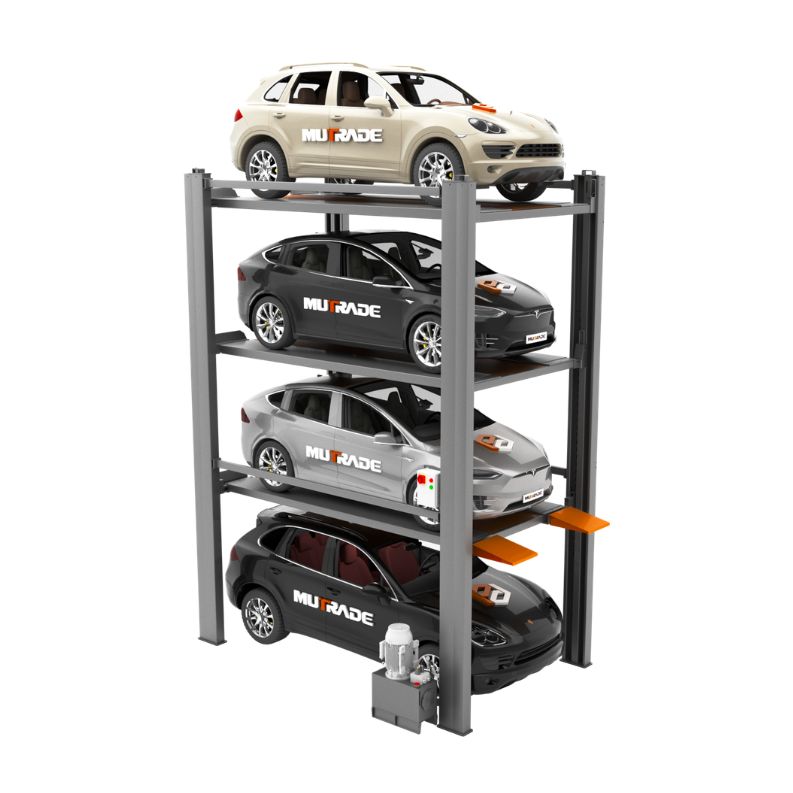
Car elevators can be customized to meet specific needs or add luxury touches. Popular custom features include:
Panoramic glass walls: Adds style and visibility but can increase costs by $5,000 to $20,000.
Smart controls: Remote operation, sensors, and IoT integration typically add $5,000 to $15,000.
High-speed motors: For faster lifts, especially in commercial settings, costs may rise $10,000 to $30,000.
Automatic doors and lighting: Enhance convenience and safety; expect an additional $2,000 to $8,000.
Custom platform sizes: Larger platforms for specialty vehicles or multiple cars add substantially to price.
Each feature raises the initial investment but can boost convenience, safety, and property value. Consider which options provide real benefit without overspending.
Keeping a car elevator running smoothly requires regular upkeep. Typical annual maintenance includes:
Routine inspections and servicing: $2,000 to $5,000 per year, depending on elevator type and usage.
Lubrication and safety checks: Ensure long-term reliability and compliance with safety codes.
Software updates: For smart elevators, periodic updates may incur minor fees.
Skipping maintenance risks costly breakdowns and shortens lifespan. Budgeting for annual upkeep protects your investment.
Energy costs vary by elevator type:
Hydraulic elevators: Tend to consume more electricity due to constant pump operation.
Traction elevators: More energy-efficient, especially in taller buildings with frequent use.
Pneumatic elevators: Generally low energy use, ideal for residential applications with light traffic.
Energy bills may range from $500 to $2,000 annually, depending on system efficiency and usage frequency. Choosing an energy-efficient model saves money over time.
Unexpected repairs can add to total ownership costs:
Minor repairs: Such as replacing seals or sensors, may cost $1,000 to $3,000.
Major repairs: Motor or structural component failures can reach $5,000 to $10,000.
Warranty coverage: Often covers some repairs early on, but extended warranties may be needed.
Planning for repair costs helps avoid budget surprises. Regular maintenance reduces the chance of expensive fixes.
Tip: Prioritize essential custom features and schedule regular maintenance to balance upfront costs with long-term savings and reliability.
Residential car elevators usually cost less than commercial ones due to lighter usage and simpler requirements. Prices often range from $20,000 to $70,000. Pneumatic and hydraulic models are popular choices here, thanks to their quiet operation and space-saving designs. For example, a basic hydraulic car elevator for a home might cost around $30,000, including installation. Adding custom features like panoramic glass or smart controls can push costs higher, reaching $50,000 or more.
Residential elevators generally have lower load capacities, designed for standard cars or SUVs, which keeps costs manageable. Installation tends to be simpler, often requiring fewer structural reinforcements. However, older homes or those without existing shafts may face higher installation fees.
Commercial elevators must handle heavier loads, frequent use, and stricter safety standards. This drives prices up, typically ranging from $50,000 to over $150,000. Traction systems dominate this market due to their speed and energy efficiency.
Premium features add to costs, including:
High-speed motors for quick vehicle movement
Advanced safety systems and fire-rated doors
Larger platforms for trucks or multiple vehicles
Smart controls for fleet management and remote monitoring
Commercial installations often require extensive structural modifications and compliance with rigorous codes, further increasing expenses.
Frequency of use impacts both initial costs and maintenance budgets. Residential elevators might operate a few times daily, while commercial ones can see dozens or hundreds of cycles per day. Higher usage demands robust components and more frequent servicing.
Manufacturers design commercial elevators for durability, which means stronger motors, reinforced platforms, and advanced control systems. These features raise upfront prices but reduce downtime and repair costs long term.
Lower usage in residential settings allows for simpler, less expensive designs. However, if a residential elevator is expected to see heavy use, upgrading to commercial-grade components may be necessary, increasing costs.
Location affects pricing due to labor rates, permit costs, and logistical challenges. Urban areas tend to have higher installation fees because of:
Limited space for construction and equipment delivery
Stricter building codes and inspections
Higher labor costs
Rural or suburban locations often benefit from lower labor rates and easier access, reducing total expenses.
Additionally, urban properties may require specialized elevators to fit tight spaces or meet noise restrictions, adding to customization costs. For example, a car elevator in a downtown high-rise may need a compact design and soundproofing, increasing the price.
Tip: When budgeting, factor in your elevator’s expected usage and local installation conditions early to avoid surprises in residential or commercial projects.
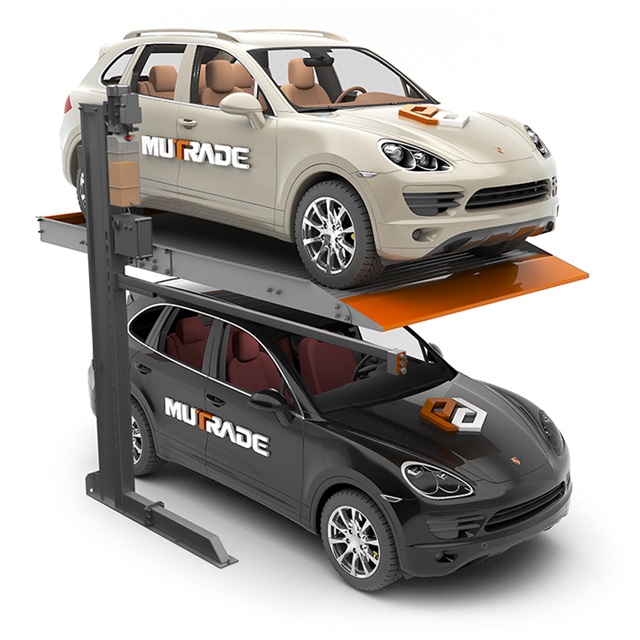
Start by evaluating your building’s structure. Check available space, ceiling height, and foundation strength. If your building already has an elevator shaft or parking lift, installation costs will be lower. However, if structural reinforcements like foundation strengthening or ceiling modifications are needed, expect higher expenses.
Older buildings may require a structural engineer’s assessment to ensure safety and feasibility. Space constraints can limit elevator size and type, especially in urban or residential settings. For example, pneumatic elevators suit tight spaces due to their compact design, while traction elevators need more room for machinery.
Next, consider your vehicle size and how often you’ll use the elevator. Larger vehicles like SUVs or trucks demand elevators with higher load capacities and bigger platforms. Choosing an undersized elevator risks safety issues and costly upgrades.
Usage frequency also matters. Residential elevators might operate a few times daily, while commercial elevators can handle dozens or hundreds of cycles. High-usage elevators need durable components and advanced systems, which increase upfront and maintenance costs. For instance, commercial traction elevators are built for frequent use and last longer but cost more initially.
Think ahead about future needs. Your current vehicle size or usage might change, or you may add more vehicles later. Selecting an elevator that allows for scalability can save money over time.
Options include choosing larger platforms, higher load capacities, or modular systems that accommodate additional floors or cars. This foresight helps avoid expensive retrofits or replacements. For commercial properties, planning expansion is especially important to meet growing demand.
Finally, work with trusted car elevator companies. Experienced professionals provide tailored advice, accurate quotes, and support from design through installation. They can assess your unique situation and recommend the best elevator type and features for your budget.
Reputable companies ensure compliance with local codes and handle permits, reducing risks of delays or fines. They also offer warranty and maintenance services, protecting your investment long term.
Tip: Before committing, get multiple quotes and ask about customization, installation challenges, and maintenance to choose a car elevator that fits your building, vehicle needs, and future plans without overspending.
Installing a car elevator yourself might seem like a way to save money. If you have the right skills, tools, and some help, DIY installation can cut labor costs by thousands. However, car elevators are complex systems requiring precise setup. Missing torque specs on anchor bolts or improper hydraulic connections can cause safety hazards or costly repairs later.
Professional installers bring experience and knowledge of local codes. They ensure the elevator is safe, compliant, and functions smoothly. Hiring pros typically costs between $10,000 and $25,000 for residential projects, more for commercial. For most people, this investment is worth avoiding risks and potential failures.
If you consider DIY, be sure to:
Follow manufacturer instructions carefully
Use proper tools, including torque wrenches
Have a qualified electrician handle electrical work
Schedule inspections after installation
Certification matters. For residential elevators, CE certification indicates compliance with European safety standards. It suits homes with light to moderate use. Commercial elevators should have ALI Gold Label certification, proving they meet rigorous US safety and durability standards for heavy daily use.
Using certified equipment ensures:
Reliable performance
Compliance with safety codes
Easier insurance approval
Better resale value
Avoid uncertified or cheap imports. They might save money upfront but increase risks and maintenance costs.
Many installation errors cause expensive fixes later. Common mistakes include:
Ignoring slab strength or failing to reinforce foundations
Skipping permits or inspections leading to fines
Undersizing load capacity for vehicle weights
Incorrectly wiring electrical components
Not following safety lock and backup system protocols
Plan carefully, consult professionals, and double-check every step. These precautions prevent surprises and keep costs manageable.
Choosing the cheapest elevator often backfires. Low-cost models may have higher energy use, more frequent breakdowns, and costly repairs. Investing in quality equipment and professional installation reduces downtime and extends lifespan.
Remember to budget for:
Annual maintenance ($2,000–$5,000)
Energy costs depending on elevator type
Potential repairs and part replacements
Selecting durable systems with good warranties protects your investment. Sometimes paying more upfront saves money over time.
Tip: Prioritize professional installation and certified equipment to avoid costly mistakes and ensure your car elevator remains safe, reliable, and cost-effective for years.
Investing wisely in a car elevator means understanding costs like load capacity, installation, and permits. Residential and commercial elevators differ in price and features based on usage and building needs. Car elevators add convenience, save space, and increase property value for homes and businesses. Planning for maintenance and choosing quality equipment ensures long-term reliability. Qingdao Mutrade Co., Ltd. offers expertly designed car elevators that combine safety, efficiency, and customization to meet diverse needs and budgets. Their products provide lasting value for any property.

A: A car elevator is a lift designed to transport vehicles between different floors using hydraulic, traction, or pneumatic systems, depending on the type and application.
A: Residential car elevators prioritize quiet, space-saving designs like hydraulic or pneumatic types, while commercial models focus on speed, durability, and load capacity with traction systems.
A: Costs range from $20,000 for basic pneumatic residential models up to $150,000 or more for customized commercial traction elevators.
A: Load capacity, installation complexity, structural modifications, permits, and custom features all influence the overall cost of a car elevator.
A: Regular inspections, lubrication, safety checks, and timely servicing help keep your car elevator reliable and reduce expensive breakdowns.
