- All
- Product Name
- Product Keyword
- Product Model
- Product Summary
- Product Description
- Multi Field Search

 English
Views: 0 Author: Site Editor Publish Time: 2026-06-08 Origin: Site


Ever wondered how car elevators fit vehicles safely inside buildings? Choosing the right size is crucial.
A car elevator moves vehicles vertically, but its dimensions must match vehicle size and building limits. Accurate sizing ensures safety and smooth operation.
In this post, you’ll learn about car elevator dimensions, shaft requirements, and design standards for optimal planning.
Table of Contents
When planning car elevator dimensions, several key factors shape the final size and design. Understanding these factors helps ensure the elevator fits vehicles safely, operates smoothly, and meets building requirements.
The primary factor is the size and weight of vehicles the elevator will carry. Cars vary widely—from compact sedans to large SUVs and pickup trucks. The elevator cabin must be wide and long enough to fit the largest expected vehicle comfortably, including extra space for safe entry and exit.
Length and Width: A typical sedan may need about 2.4 to 2.8 meters width and 4.5 to 6 meters length inside the cabin.
Height: Taller vehicles require at least 2 to 2.5 meters cabin height clearance.
Weight: Load capacity is critical. Most car elevators handle between 3,000 to 5,000 kg, but heavier vehicles or industrial equipment may need higher capacity.
Ignoring vehicle dimensions risks damage or unsafe operation.
Space inside the building limits elevator size. Existing shafts in retrofits may restrict width, depth, or overhead clearance. New construction offers more flexibility but still demands early coordination.
Shaft Width and Depth: Must fit the cabin, guide rails, counterweights, and door mechanisms. Typical shaft widths range from 2.8 to 3.6 meters.
Pit Depth: Needed for buffers or hydraulic pistons, usually 0.6 to 1.2 meters.
Overhead Clearance: Space above the top landing for machinery, typically 3 to 4.5 meters.
Planning shaft dimensions early avoids costly structural changes.
Load capacity defines the maximum weight the elevator can safely carry. It includes vehicle weight plus any additional load from passengers or cargo.
Standard Capacities: 3,000 kg for residential, 4,000–5,000 kg for commercial use.
Higher Capacities: Needed for heavy-duty vehicles or dual-car elevators.
The elevator’s mechanical components, cables, and safety systems must support this load reliably.
Local codes govern dimensions, safety features, and installation methods. Common standards include EN81 in Europe, GB7588 in China, and ASME A17.1 in North America.
Door Clearances: Minimum widths and heights for safe vehicle access.
Ventilation and Safety: Proper airflow inside the shaft and emergency systems.
Structural Requirements: Shaft strength and fire safety measures.
Non-compliance risks legal issues and unsafe conditions. Working with certified suppliers ensures code adherence.
Note: Early coordination between architects, engineers, and elevator specialists ensures car elevator dimensions meet vehicle needs, building constraints, load demands, and safety codes.
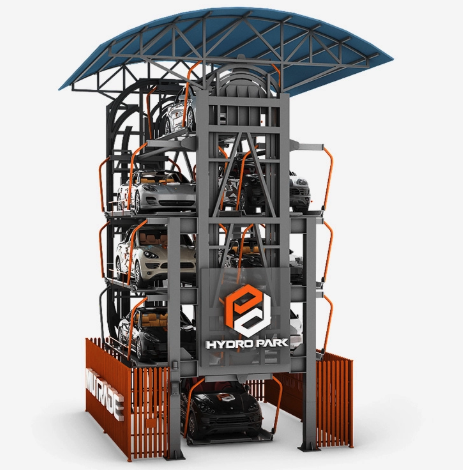
Car elevator cabins must fit different vehicles comfortably. For standard sedans, cabins usually measure about 2.4 to 2.8 meters wide and 4.5 to 6 meters long. SUVs and larger vehicles require cabins closer to 3.0 meters wide and up to 6 meters long. Heights typically range from 2 to 2.5 meters to allow enough headroom.
For example:
Sedans: 2.4 m (W) × 4.5 m (L) × 2.0 m (H)
SUVs: 2.8 m (W) × 5.5 m (L) × 2.3 m (H)
Dual-vehicle cabins: Up to 3.2 m (W) × 7.5–8 m (L) × 2.5 m (H)
These sizes provide enough space for safe driving in and out, plus room to avoid scratches or damage.
Door openings should be wider and taller than the vehicle to allow easy access. Typical door widths range from 2.2 to 3 meters, with heights between 2 and 2.4 meters. Wider doors help drivers maneuver SUVs or trucks without stress.
Door types vary:
Single-slide doors: Open one side, good for narrow shafts.
Center-opening doors: Split in the middle, opening both sides.
Side-opening doors: Slide sideways, ideal when front clearance is limited.
Choosing the right door type affects shaft space and installation complexity.
The shaft must house the cabin plus space for guide rails, counterweights, and door mechanisms. Typical shaft widths range from 2.8 to 3.6 meters, depending on cabin size. Shaft depth usually runs from 3.5 to 6.5 meters, enough for the cabin length plus mechanical clearances.
Adequate shaft size ensures smooth operation and allows maintenance access. Architects must plan this carefully during building design.
The pit is the space below the cabin floor needed for buffers or hydraulic pistons. Pit depths typically range from 0.6 to 1.2 meters. Overhead clearance is the space above the top landing, usually 3 to 4.5 meters, to accommodate machinery and safe cabin travel.
Both dimensions depend on elevator type and local codes. Proper sizing avoids installation problems and ensures safety.
Dimension Type | Typical Range | Notes |
|---|---|---|
Cabin Width | 2.4 – 3.2 meters | Fits various vehicle sizes |
Cabin Length | 4.5 – 6 meters | Allows for sedans to SUVs |
Cabin Height | 2 – 2.5 meters | Clearance for taller vehicles |
Door Width | 2.2 – 3 meters | Wide enough for easy access |
Door Height | 2 – 2.4 meters | Standard for most vehicles |
Shaft Width | 2.8 – 3.6 meters | Includes space for mechanisms |
Shaft Depth | 3.5 – 6.5 meters | Cabin length + mechanical space |
Pit Depth | 0.6 – 1.2 meters | Space for buffers or pistons |
Overhead Clearance | 3 – 4.5 meters | For machinery and safe travel |
This table helps planners and engineers quickly reference standard sizes during design.
Tip: Always add a safety buffer of at least 10% to cabin and door dimensions to accommodate future vehicle size variations and ensure ease of use.
Car elevators come in several types, each with unique designs and space needs. Knowing these types helps pick the right one and plan the shaft and machine room properly. The three main types are traction elevators with small machine rooms (SMR), machine room-less traction elevators (MRL), and hydraulic elevators. Each has pros and cons related to space, speed, load, and installation.
SMR traction elevators use steel ropes and counterweights to move the cabin smoothly. They have a small machine room usually above the shaft that holds the hoisting machinery and controls. Because of this room, they need more overhead clearance and slightly bigger shaft dimensions than MRL models.
Overhead Clearance: Typically 4 to 4.5 meters to fit the machine room.
Shaft Width: Usually 3.2 to 3.6 meters to allow space for cabin, rails, and machinery.
Pit Depth: Around 1 meter for buffers and safety equipment.
Load Capacity: Often 3,000 to 5,000 kg or more.
Speed: Faster than hydraulic elevators, good for mid to high-rise buildings.
SMR elevators provide energy efficiency and smooth rides but require more building space for the machine room.
MRL elevators integrate machinery inside the shaft, eliminating the need for a separate machine room. This saves building space and is ideal for retrofits or projects with limited room.
Overhead Clearance: Usually 3 to 3.5 meters, less than SMR.
Shaft Width: Slightly narrower, around 2.8 to 3.4 meters.
Pit Depth: Similar to SMR, about 0.8 to 1 meter.
Load Capacity: Comparable to SMR, 3,000 to 5,000 kg.
Speed: Efficient and smooth, but may have limited maintenance access due to compact design.
MRL elevators are popular for space-saving and modern aesthetics but require precise shaft planning.
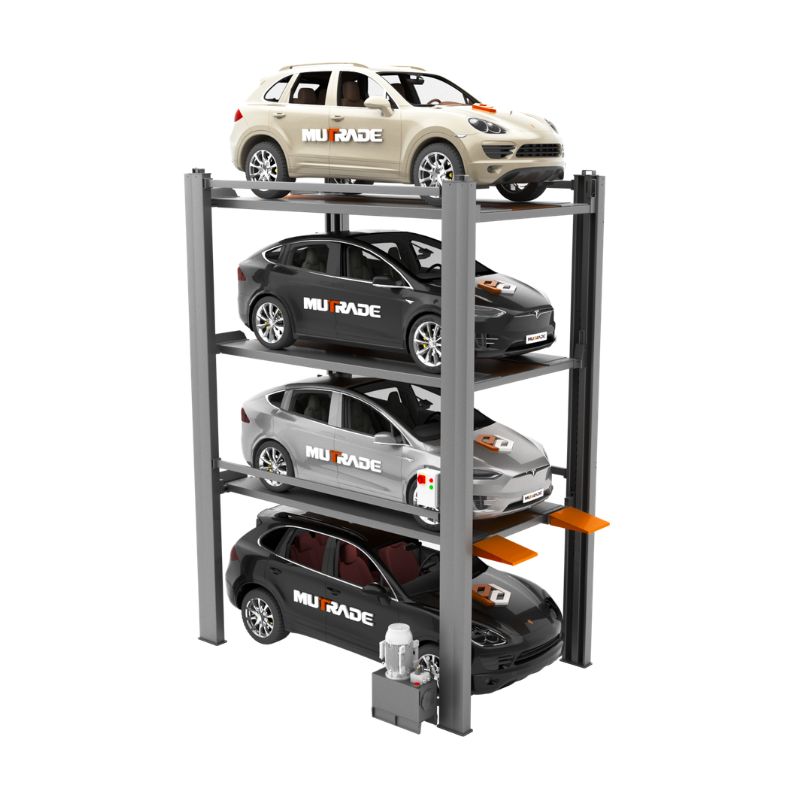
Hydraulic elevators use a piston under the platform to raise and lower vehicles. They need a deeper pit to house the piston mechanism, but less overhead space.
Pit Depth: Typically 1 to 1.2 meters, deeper than traction types.
Overhead Clearance: Lower, around 3 meters.
Shaft Width: Can be similar to traction elevators but sometimes wider if the piston is large.
Load Capacity: Usually up to 3,500 kg, sometimes more for heavy-duty models.
Speed: Slower than traction elevators, better for low-rise buildings or garages.
Hydraulic elevators offer smooth rides and simpler mechanics but require pit excavation and are less suited for tall buildings.
Elevator Type | Overhead Clearance | Pit Depth | Shaft Width | Load Capacity | Best Use Case |
|---|---|---|---|---|---|
SMR Traction | 4 - 4.5 meters | ~1 meter | 3.2 - 3.6 meters | 3,000 - 5,000+ kg | Mid to high-rise buildings |
MRL Traction | 3 - 3.5 meters | 0.8 - 1 meter | 2.8 - 3.4 meters | 3,000 - 5,000 kg | Space-limited or retrofit |
Hydraulic | ~3 meters | 1 - 1.2 meters | 3.0 - 3.6 meters | Up to 3,500+ kg | Low-rise, garages, industrial |
Choosing the right type depends on building height, space constraints, load needs, and budget. Traction elevators suit taller buildings and faster travel. Hydraulic elevators fit low-rise or where overhead space is limited but pit depth is possible.
Tip: When selecting a car elevator type, always verify shaft and pit dimensions early with architects to avoid costly redesigns later.
Selecting the right car elevator size takes careful planning. It ensures the elevator fits your building and the vehicles it will carry. Here’s a step-by-step guide to help you through the sizing process.
Measure the Largest Vehicle
Start by measuring the longest, widest, and tallest vehicle expected to use the elevator. Include extra space for safe entry and exit. For example, if your largest vehicle is an SUV 2.8 meters wide and 5.5 meters long, add at least 10% extra clearance.
Check Building Constraints
Review the shaft width, depth, pit depth, and overhead clearance available in your building. These limits will affect the maximum cabin size you can install. For instance, a shaft width of 3 meters and pit depth of 1 meter set clear boundaries on your elevator dimensions.
Select an Elevator Model
Choose a model that meets or exceeds your vehicle size and building constraints. Consider the type of elevator—hydraulic, traction SMR, or MRL—as each demands different shaft and pit dimensions.
Verify Load Capacity
Ensure the elevator’s weight capacity covers your heaviest vehicle plus passengers or cargo. A typical capacity ranges from 3,000 to 5,000 kg, but heavy trucks or dual-car elevators require more.
Confirm Door Size
Door openings must be wider and taller than the vehicle. Doors typically range from 2.2 to 3 meters wide and 2 to 2.4 meters tall. Larger doors ease vehicle entry, reducing risk of damage.
Add Safety Margins
Always add a safety buffer—around 10%—to dimensions to accommodate future vehicle size changes or unexpected needs.
Check Local Codes
Confirm your design complies with local building and safety codes. These often specify minimum door sizes, shaft clearances, and emergency features.
Understanding vehicle size and weight is crucial. Compact cars need less space than SUVs or pickups. For example:
Compact sedan: ~2.4 m wide, 4.5 m long, 1,500 kg
SUV: ~2.8 m wide, 5.5 m long, 2,700 kg
Pickup truck: ~3.0 m wide, 6.0 m long, 3,500 kg
Choose elevator dimensions and load capacity to fit your largest expected vehicle comfortably and safely.
Your building’s shaft and structural limits often dictate elevator size. Consider:
Shaft Width and Depth: Must fit cabin, rails, doors, and machinery.
Pit Depth: Needed for buffers or hydraulic pistons, usually 0.6–1.2 m.
Overhead Clearance: Space for machinery, typically 3–4.5 m.
If space is tight, machine room-less (MRL) elevators might save overhead space but need precise shaft sizing.
What vehicle types and sizes will use the elevator?
How many vehicles must it accommodate simultaneously?
What are the shaft and pit dimensions available?
Is this a new building or retrofit?
What load capacity is required?
Which door type suits the layout?
What local codes apply?
Are there special safety or automation needs?
Answering these helps avoid costly redesigns and ensures smooth installation.
Tip: Always measure your largest vehicle and add at least 10% extra space for cabin and door dimensions to ensure safe, hassle-free operation.

Customizing a car elevator lets you tailor it perfectly for your building and vehicles. It improves usability, safety, and style. Here are the main customization areas to consider.
Cabins can be built to fit your specific vehicle sizes, whether compact cars or large SUVs. Custom sizing means better space use and easier driving in and out. For example, a showroom might want wider cabins for luxury cars, while a residential building might need compact cabins for sedans.
Materials also vary. You can choose durable steel for heavy use or sleek glass and aluminum for a modern look. Flooring materials can include anti-slip coatings or rubber mats to protect vehicles and keep passengers safe.
Door design affects access and space needs. You can pick from:
Single-Side Doors: Open on one side. Good for narrow shafts or tight spaces.
Through-Entry Doors: Doors on opposite sides allow cars to drive straight through. This speeds up traffic flow in busy garages.
Side-Opening Doors: Slide sideways. Useful where front clearance is limited.
Each door type changes shaft requirements and installation complexity. For example, through-entry doors need shaft openings on both ends, while side-opening doors require extra width for door tracks.
Controls can be basic or advanced:
Manual Controls: Simple buttons inside or near the elevator. Ideal for small or residential setups.
Automatic Controls: The elevator moves automatically once the vehicle is positioned. Good for high-traffic or commercial buildings.
Remote Controls: Allow users to call and operate the elevator from a distance, even via smartphone apps. This adds convenience and efficiency.
Choosing the right control mode depends on building use, budget, and user needs.
Safety customizations improve protection and comfort:
Sensors: Detect obstacles or people near doors, preventing accidents.
Ventilation Systems: Keep air fresh inside the cabin and shaft, especially important in enclosed spaces to avoid exhaust buildup.
Cameras: Provide security monitoring and help drivers position vehicles correctly.
These features can be integrated to meet local codes or enhance user experience.
Tip: When customizing, always coordinate with elevator experts early to ensure your design meets safety codes and fits your building’s structural limits.
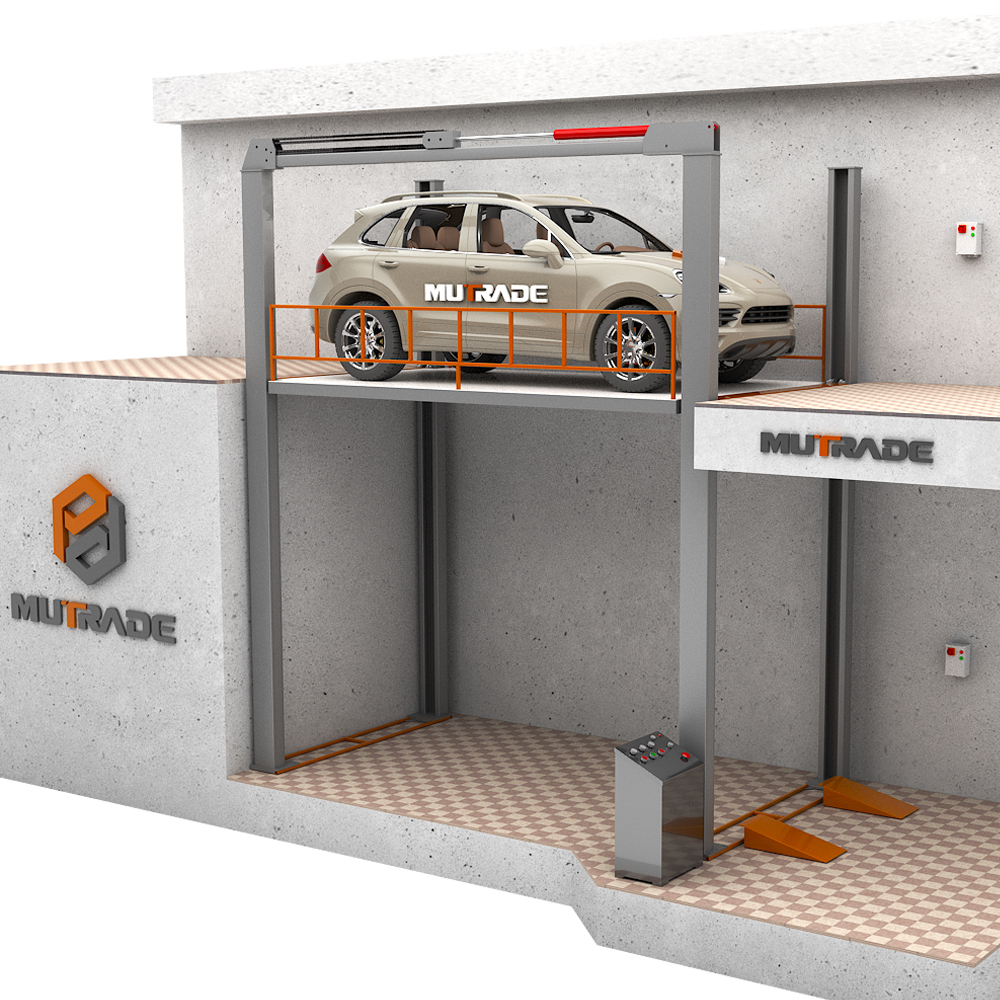
Installing a car elevator starts with ensuring the building structure can support it. The shaft must be strong enough to hold the cabin, guide rails, doors, and counterweights. Walls around the shaft often need reinforcement to handle these loads safely. The pit, located below the lowest landing, requires proper depth and structural integrity to house buffers or hydraulic pistons.
Shaft dimensions: Should match the cabin size plus space for rails and mechanisms.
Pit depth: Typically 0.6 to 1.2 meters depending on elevator type.
Wall strength: Reinforced concrete or steel framing usually required.
Floor load: The floor supporting the elevator must bear the combined weight of the elevator plus maximum vehicle load.
Failing to meet these requirements risks structural damage and unsafe elevator operation.
A reliable electrical system is essential for safe and smooth elevator operation. The elevator needs dedicated power circuits sized for its motor and control systems. Backup power options, like generators or UPS, can prevent entrapment during outages.
Power rating: Depends on elevator type and capacity; often 3-phase power is preferred.
Control panel location: Should be accessible for maintenance but secure.
Wiring: Must comply with electrical codes and be protected against damage.
Emergency systems: Include alarm buttons, lighting, and communication devices powered independently.
Proper electrical planning avoids downtime and ensures user safety.
Car elevator installation must follow local building codes and safety regulations. These rules cover structural elements, fire safety, ventilation, emergency procedures, and accessibility.
Fire-rated shaft and doors: Prevent fire spread between floors.
Ventilation: Adequate airflow to prevent exhaust buildup inside the shaft.
Emergency communication: Phones or intercoms inside the cabin.
Safety devices: Emergency brakes, buffers, overload sensors.
Inspection and certification: Must pass official inspections before use.
Working with certified installers and local authorities ensures the elevator meets all legal requirements.
Successful installation requires close collaboration among architects, structural engineers, elevator specialists, and contractors. Early coordination helps:
Integrate the elevator shaft into the building design.
Plan reinforcement and foundation work.
Align elevator dimensions with building constraints.
Schedule installation phases to minimize disruptions.
Address any code or safety concerns upfront.
This teamwork reduces costly delays and redesigns.
The installation typically follows these steps:
Site preparation: Excavating the pit, reinforcing shaft walls, and installing foundation supports.
Guide rails installation: Fixed inside the shaft for smooth cabin travel.
Cabin and machinery assembly: Installing the elevator car, motor, control systems, and door mechanisms.
Electrical wiring: Connecting power, controls, safety systems, and emergency devices.
Testing and commissioning: Running safety checks, load tests, and operational trials.
Final inspections: Obtaining certifications from authorities before opening for use.
Each step requires skilled professionals to ensure quality and safety.
Tip: Engage elevator experts early in your project to coordinate shaft design, structural reinforcements, and electrical planning, avoiding costly installation delays and compliance issues.
When choosing between a car elevator and a car lift, understanding their differences in purpose, structure, safety, dimensions, and cost is key. These two systems serve distinct needs and environments, so knowing how they compare helps pick the right solution for your project.
Car Elevator: Designed for vertical vehicle transport between multiple floors in buildings like residential towers, commercial garages, or showrooms. It features an enclosed cabin with doors, guide rails, and safety systems. Drivers often stay inside the vehicle during operation.
Car Lift: Typically used for lifting vehicles short distances, such as in garages or service stations. It usually has an open platform without enclosure and minimal safety features. Drivers usually exit the vehicle before lifting.
The elevator’s enclosed design supports multi-floor travel and enhanced safety, while lifts focus on basic vertical movement over short distances.
Car elevators must comply with strict elevator safety codes such as:
EN81 (Europe)
GB7588 (China)
ASME A17.1 (North America)
These codes regulate door dimensions, emergency systems, ventilation, and structural integrity. Elevators undergo inspections and certifications before use.
Car lifts generally lack such rigorous regulation. They often follow basic safety guidelines but do not meet elevator code requirements. This difference impacts legal approvals and user safety.
Feature | Car Elevator | Car Lift |
|---|---|---|
Cabin/Platform Size | Larger, enclosed cabins (2.4-3.2 m wide, 4.5-6 m long) | Smaller, open platforms, often narrower and shorter |
Door/Openings | Doors with widths 2.2-3 m, heights 2-2.4 m | Usually no doors or minimal barriers |
Shaft and Pit | Requires shaft (2.8-3.6 m wide), pit depth 0.6-1.2 m | Surface-mounted or recessed, no shaft needed |
Load Capacity | 3,000-5,000+ kg, designed for cars, SUVs, vans | Varies, often lower than elevators |
Overhead Clearance | 3-4.5 m for machinery and safety | Minimal or none |
The elevator’s larger dimensions accommodate safe vehicle entry, travel, and emergency features. Lifts are more compact but less versatile.
Car Elevators: Higher costs due to engineering, building integration, safety compliance, and machinery. Installation involves shaft construction, pit excavation, electrical work, and inspections. Suitable for new buildings or major retrofits.
Car Lifts: Lower cost and simpler installation, often surface-mounted or recessed into the floor. Require less structural modification and minimal safety features. Ideal for workshops or garages needing vehicle lifting but not full vertical transport.
Tip: When planning vehicle vertical transport, choose car elevators for multi-floor, safe, code-compliant use, and car lifts for simple, short-range lifting tasks to optimize cost and space.
Optimizing car elevator dimensions ensures safe vehicle transport and smooth operation. Key factors include vehicle size, shaft space, load capacity, and compliance with local codes. Expert consultation is essential to align design with building constraints and regulations. Proper planning prevents costly errors and enhances safety and efficiency. Qingdao Mutrade Co., Ltd. offers tailored car elevator solutions that meet these standards, providing reliable performance and customized designs to fit diverse needs. Their products add value through quality and expert service.
A: A car elevator is an enclosed vertical transport system designed for moving vehicles between multiple floors, complying with strict safety codes. Unlike car lifts, which are open platforms for short-distance lifting, car elevators provide safe, multi-floor vehicle transport with doors and shafts.
A: Measure your largest vehicle, add at least 10% clearance, check your building’s shaft and pit space, select an elevator type (hydraulic, SMR, or MRL), verify load capacity, and ensure door sizes accommodate your vehicles while meeting local codes.
A: Overhead clearance allows space for machinery and safe cabin travel. Different elevator types require varying clearances, typically 3 to 4.5 meters, affecting shaft design and installation feasibility.
A: Standard car elevators support 3,000 to 5,000 kg, suitable for sedans to SUVs. Heavy-duty or dual-car models require higher capacities to safely carry larger vehicles or multiple cars.
A: Key safety features include emergency brakes, obstacle sensors, ventilation systems, fire-rated shafts and doors, and emergency communication devices to ensure safe operation and code compliance.
